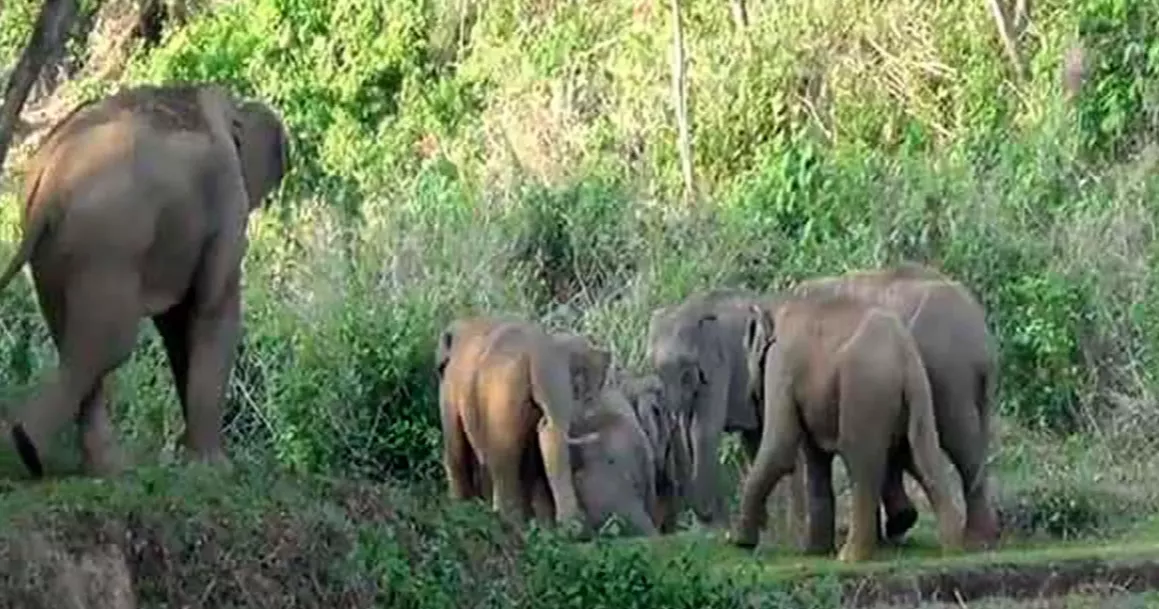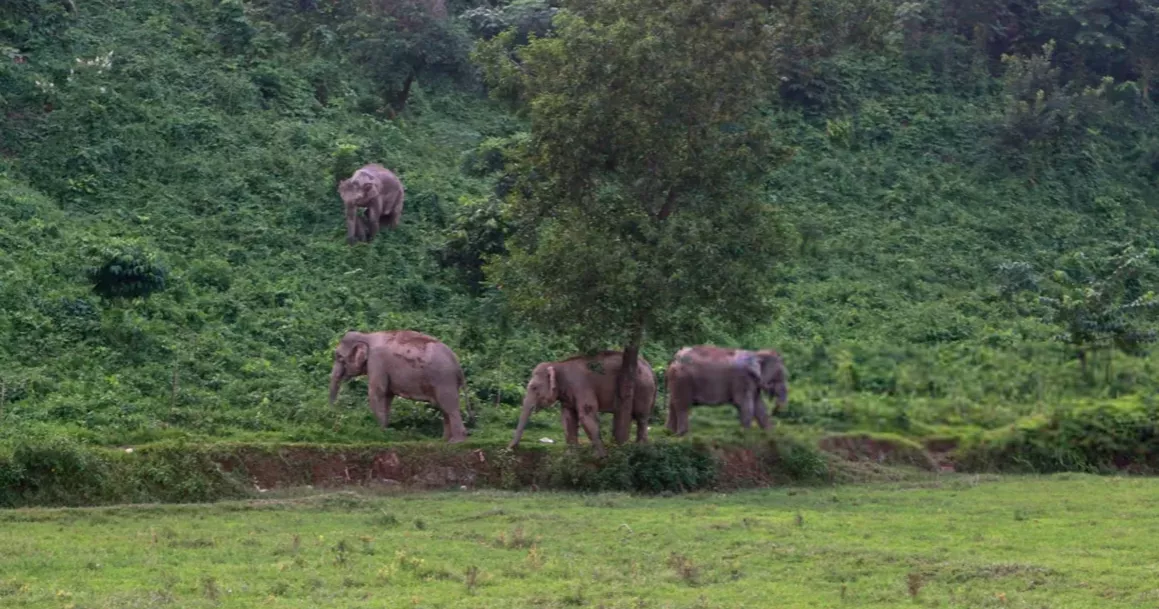
In the hilly, forest-fringed regions of Bangladesh, the once-delicate balance between humans and elephants has steadily unravelled into a dangerous struggle for survival.
As elephants trample crops and, at times, cause tragic human fatalities, humans retaliate with electric traps and gunfire, leading to an alarming number of elephant deaths.
Against this backdrop of escalating tension, the government has embarked on a dual-pronged strategy aimed at creating a safe distance between the two species.
A Vision in Two Parts
To reduce this conflict and restore harmony, the Ministry of Environment, Forest and Climate Change is advancing with two key plans—restoration of forest lands and the promotion of eco-tourism.
Through these initiatives, the government seeks not only to mitigate environmental and climate crises but also to ensure elephants roam safely within their natural habitats.
Stakeholders believe that, beyond resolving human-elephant tensions, eco-tourism holds the promise of yielding significant economic dividends for the country.
Inspiration from Turkey
In realising these ambitions—especially in the realm of eco-tourism—Bangladesh is keen to draw upon Turkey’s experiences and best practices.
This intention was revealed during a meeting on May 27 at the Panthapath Water Building, where Syeda Rizwana Hasan, Adviser to the Ministry of Environment, Forest and Climate Change and the Ministry of Water Resources, held discussions with a delegation led by Turkish Ambassador to Dhaka, Ramis Şen.