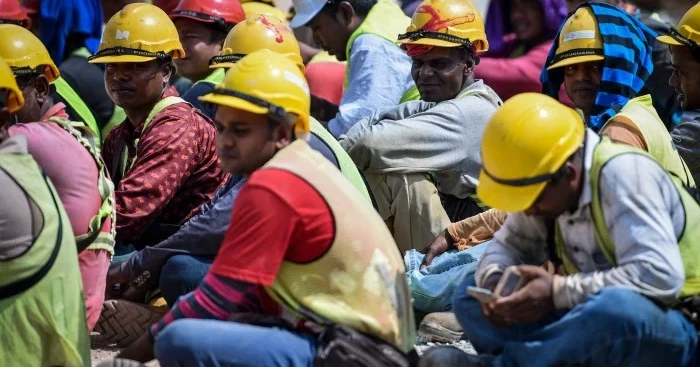
Bangladesh’s manpower export to Malaysia is facing disruption over ongoing human trafficking and money laundering cases under investigation by the ACC and CID, prompting diplomatic concern from Kuala Lumpur.
Industry insiders warn that failure to resolve the issues could hurt Malaysia’s global TIP ranking, risk US sanctions, and delay reopening its labour market to Bangladeshi workers.
The Malaysian government has expressed serious concerns over several human trafficking and money laundering cases filed in Bangladesh, saying these could undermine the credibility of its Foreign Worker Centralized Management System (FWCMS), the digital platform used to recruit workers from 15 countries, including Bangladesh.
Industry insiders warn that unresolved legal issues could hurt Malaysia’s Trafficking in Persons (TIP) ranking.
A downgrade may lead to US trade sanctions and make it harder for Malaysia to secure loans from the IMF and World Bank, threatening its economic stability.
While Malaysia is keen to resolve the matter, Bangladeshi authorities appear to be moving slowly. In a letter dated April 23, Malaysia’s Ministry of Human Resources urged Bangladesh’s Ministry of Expatriates’ Welfare and Overseas Employment to withdraw what it called “unsubstantiated” and “harassment-driven” cases.
Bangladesh pledged to act, and the CID has submitted a final report on a human trafficking case filed with Paltan Police Station.
A related money laundering probe, however, remains ongoing.
Between 2022 and 2024, the ACC (Anti-Corruption Commission) filed several cases against recruiting agency owners, many of which are still under investigation.
Malaysia argues these cases lack merit and harm bilateral ties.
According to ministry sources, Malaysia sent another letter on April 26 to Adviser Dr Asif Nazrul, reiterating its concerns.
It said Malaysian investigations found no evidence to support the allegations and urged Bangladesh to withdraw them completely and avoid reopening previously dismissed cases.
Bangladesh's travellers take to the skies to escape traffic chaos
Official records show about 480,000 Bangladeshi workers went to Malaysia during that period under government arrangements, with no trafficking complaints from any migrants.
Malaysian authorities stressed that protecting its TIP standing would also safeguard the image of both nations.
The issue came up again at a joint working committee meeting in Dhaka in May.
In August, Senior Secretary Dr Neyamat Ullah admitted in writing that the allegations were largely unsubstantiated and had damaged both governments’ reputations.
He noted recruitment had taken place with bilateral approval and proper licensing.
Migration sector stakeholders say the cases were mostly the result of disputes between business groups, with no victims or workers themselves filing complaints.
They emphasise that workers were sent under high-level government decisions, with no incidents of human trafficking or money laundering.
They stress the urgency of resolving the matter ahead of Chief Adviser Prof Muhammad Yunus’s visit to Malaysia on August 11, which they see as a last chance to secure a positive decision on reopening the Malaysian labour market for Bangladeshi workers.
Ali Haider Chowdhury, immediate past Secretary General of the Bangladesh Association of International Recruiting Agencies (BAIRA), said, “We want the Malaysian labour market to reopen immediately. This issue goes beyond individual business interests – it doesn’t matter which agency benefits. The priority is safe, low-cost migration that protects workers’ interests and sustains remittance growth. The government should do everything necessary, including withdrawing the remaining cases.”