DGHS
Naogaon residents battle dengue surge as urban services falter
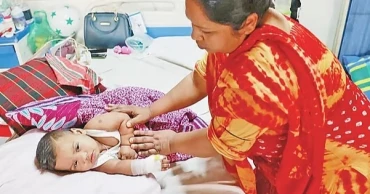
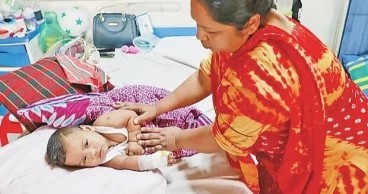
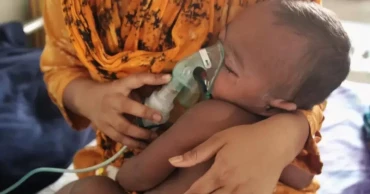
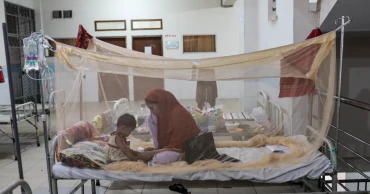
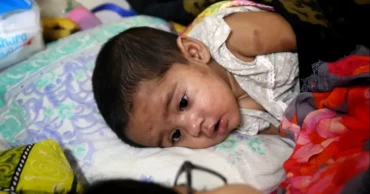
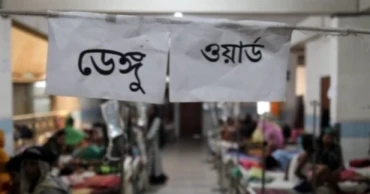
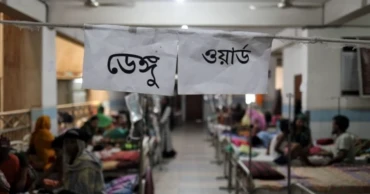
In Naogaon municipality, the relentless rise of dengue cases is exposing a deeper public health crisis, as residents confront swarms of mosquitoes amid longstanding urban sanitation failures.
For weeks, communities across the town have battled insects invading homes, schools, businesses and offices—pestering residents even in daylight hours. Coils, sprays and smoke have become everyday essentials, yet the relentless buzzing and painful bites continue.
Locals said what was once a seasonal nuisance has transformed into a source of fear, frustration and growing anger at local authorities.
Read more: Young adults hit hard as Bangladesh logs 593 dengue cases, 3 deaths
A Town on Edge
Naogaon Municipality, home to over 268,000 people across nine wards, is facing what locals describe as a preventable mosquito explosion. Open heaps of uncollected garbage, uncovered and clogged drains, and stagnant water turning neighbourhoods into breeding grounds have compounded the crisis.
“We close our doors and windows before evening, but it’s useless. Mosquitoes fly over burning coils. Their bites cause swelling and a burning sensation. I spend at least Tk 10 a day on coils, but if this continues, dengue is unavoidable,” said Shamim Ahmed, a resident of Masterpara.
Students are among the hardest hit. “Studying has become nearly impossible. I have to sit inside a mosquito net with a coil burning. This is no way to study,” said Arif Hossain from the Degree Mor area.
Tax Increasing, Services Declining
Residents complain that despite yearly hikes in municipal taxes, improvements in mosquito-control efforts are barely visible. Many allege that fogging and spraying target administrative or high-profile areas, leaving densely populated neighbourhoods neglected.
“There’s a municipal waste dump near my house. Mosquito-control activities here are rare. We pay higher taxes every year, but receive no proper services,” said Asfaq Uddin of Komaigari.
Read more: Best Foods to Increase Platelets in Dengue Fever
Health Risks Growing
According to the Naogaon Civil Surgeon’s Office, 56 new dengue cases were reported as of November 23. October saw 120 cases and September 116, bringing the district’s total infections this year to 321.
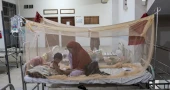
At Naogaon 250-bed General Hospital, 120 dengue patients were treated over the last three months. “No deaths have occurred so far, and we are providing adequate treatment,” said hospital statistician Dilruba Sultana.
Nationwide, the situation remains concerning. The DGHS reported two more dengue deaths on Monday, pushing the national toll to 366. With 705 new cases on the same day, the total infections reached 90,969 this year.
Local Authorities Admit Limitations
Naogaon Municipality Engineer Sajjad Hossain acknowledged the challenges, noting that the municipality has only three fogging machines and three hand-spray units.
“For the past two years, we haven’t received dedicated funds for mosquito control. We are running operations using municipal revenue and prioritising hand spraying, as it destroys larvae more effectively,” he said.
Read more: 8 more dead, 778 hospitalised as Bangladesh fails to curb dengue
10 days ago
Barguna battles relentless dengue surge even in winter
Even as winter sets in, the coastal district of Barguna remains gripped by dengue, with new infections being reported daily and the death toll continuing to rise.
As of November 18, the district has recorded at least 15 dengue deaths, while more than 9,000 people have been affected this year.
According to data shared on Tuesday by the district civil surgeon’s office, 117 dengue patients are currently receiving treatment at the Sadar and upazila hospitals across Barguna.
Within the past 24 hours alone, 21 new patients were admitted to the 250-bed Barguna General Hospital, which is now treating 60 dengue patients.
During the same period, the upazila health complexes saw 18 fresh admissions—three in Amtali, two in Bamna, four in Betagi and nine in Patharghata.
A total of 67 patients are currently under treatment at these facilities.
Official records show that 9,029 dengue patients have been treated in Barguna this year, of whom 8,927 have recovered and returned home.
Barguna District Hospital treated 7,044 of these cases, while 1,985 patients received treatment at upazila-level health complexes.
DSCC Administrator visits dengue control activities at Green Road, Dhanmondi
Patharghata ranks second in infection numbers after Barguna Sadar, having treated 910 patients so far. The upazila has reported two hospital deaths.
Government data confirm 15 dengue-related deaths within the district—12 at Barguna General Hospital, one in Amtali and two in Patharghata. However, an additional 49 residents of Barguna died while undergoing treatment outside the district, pushing the unofficial death toll to around 64.
Barguna Civil Surgeon Dr Mohammad Abul Fattah noted that the district had been declared a dengue ‘hotspot’ as early as March.
‘Through multiple cleanup drives, coordinated efforts by the local administration, and the relentless work of health workers, we were able to keep the situation under control.
Keeping deaths at 15 despite such a large patient count was a major challenge,’ he said.
While dengue cannot be fully eradicated, raising public awareness, keeping surroundings clean and eliminating mosquito breeding sites could significantly reduce future risks, he said.
Meanwhile, Bangladesh recorded four more dengue deaths in the 24 hours till Tuesday morning, raising the nationwide fatality count to 343 this year. During the same period, 920 new patients were hospitalised, bringing the total number of infections to 86,924, according to the Directorate General of Health Services (DGHS).
Health Ministry issues dengue awareness alert amid rising cases
DGHS data show that the new cases were reported as follows: 146 in Barishal Division (outside city corporation areas), 116 in Chattogram Division (outside CC), 147 in Dhaka Division (outside CC), 211 in Dhaka North City Corporation (DNCC), 151 in Dhaka South City Corporation (DSCC), 72 in Khulna Division (outside CC), 65 in Mymensingh Division (outside CC), two in Rangpur Division (outside CC) and 10 in Sylhet Division (outside CC).
Last year, dengue claimed 575 lives. In 2023, the country experienced its deadliest year on record, with 1,705 dengue deaths. The DGHS recorded 321,179 dengue cases and 318,749 recoveries that year.
16 days ago
Bangladesh sees October as worst month for dengue deaths
October 2025 emerged as the deadliest month for dengue fever in Bangladesh this year, claiming 80 lives and recording the highest number of cases, according to the Directorate General of Health Services (DGHS).
The DGHS data shows that the country logged 2,250 dengue cases in October alone , the highest monthly total of the year, reflecting a worrying surge of the mosquito-borne disease that has become a recurring public health threat.
The health authorities logged 76 Dengue deaths in September, 41 in July and 39 in August.
The death toll reached 278 in 10 months till October.
No death from dengue reported for second consecutive day
Meanwhile, 506 new dengue cases were reported in 24 hours on Friday, raising the number of confirmed cases to 69,862 this year.
DGHS Director General Prof Dr Md. Abu Jafor said the number of dengue infections is higher than last year but the death rate is lower.
He came up with this information at a press briefing held on October 9.
Last year, dengue claimed the lives of 575 people.
Dengue: Two more die; 762 hospitalised
Of the total fatalities this year, 134 were reported under Dhaka South City Corporation, 41 under Dhaka North City Corporation, 40 in Barishal division, 25 in Chattogram division, 12 in Mymensingh division, eight in Khulna, three in Dhaka division (outside city corporation areas), and one in Sylhet division.
Over the first ten months of 2025, Barishal City Corporation recorded the highest 17,224 dengue cases, followed by Dhaka division (outside city areas) with 11,548, Chattogram division 10,092, Dhaka South City Corporation 10,192, Dhaka North City Corporation 9,112, Khulna 3,543, Mymensingh 2,203, Rajshahi 4,298, Rangpur 794, and Sylhet 239.
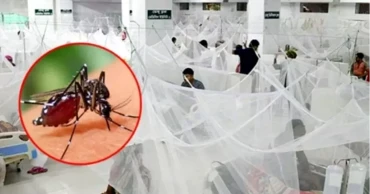
Dengue, a mosquito-borne viral infection transmitted by Aedes mosquitoes, has turned into an endemic disease in Bangladesh in recent years.
Health experts attribute this growing menace to the impacts of climate change, which have made the country’s environment increasingly favourable for the breeding and survival of Aedes aegypti and Aedes albopictus mosquitoes.
Read more: How to Protect Babies and Children from Dengue Fever
Erratic rainfall, prolonged monsoon seasons, waterlogging, and rising temperatures have expanded mosquito habitats, leading to more frequent and intense outbreaks.
Experts also warn that traditional control measures such as fogging and larvicide use may no longer be sufficient as mosquito behaviour and breeding patterns are evolving.
They stress the need for rigorous scientific research to understand how climate change is influencing the life cycle and reproductive behaviour of Aedes mosquitoes. This, they say, is essential to develop effective strategies for prevention and containment, especially as dengue continues to strain public health resources each year.
Bangladesh saw its worst dengue outbreak in 2023, when the disease claimed over 1,700 lives — the highest toll since record-keeping began. Public health authorities fear the disease could become a year-round threat if urgent, coordinated action is not taken.
Read more: Best Foods to Increase Platelets in Dengue Fever
1 month ago
DSCC records highest dengue fatalities this year
Dhaka South City Corporation (DSCC) has recorded the highest number of dengue deaths in Bangladesh this year where 89 fatalities were reported from January to September 23, according to the Directorate General of Health Services (DGHS).
With 5 more deaths reported in 24 hours till Wednesday morning the fatalities from the mosquito-borne disease in Bangladesh rose to 187 this year.
Besides, 28 deaths, the 2nd highest this year, were reported in Barishal City Corporation(BCC) which also witnessed the highest 12613 cases.
The 2nd highest 6710 dengue cases were reported at DSCC.
Dengue situation has worsened this month as it has claimed highest 65 lives till September 24 while the death toll was 41 and 39in July and August respectively, according to DGHS.
2 months ago
3 more die of dengue, 444 hospitalised in 24hrs: DGHS
Three more deaths were reported from dengue in 24 hours till Tuesday morning, raising the number of fatalities from the mosquito-borne disease in Bangladesh to 65 this year.
The recent fatalities occurred in the Dhaka South City Corporation (DSCC).
According to the Directorate General of Health Services (DGHS), new cases were reported as follows: 127 in Barishal Division (Out of CC), 51 in Chattogram Division (Out of CC),
Dengue: 364 more dengue cases reported in 24hrs
29 in Rajshahi (Out of CC), 33 in Khulna Division (Out of CC), 08 in Mymensingh (Out of CC), 68 in Dhaka Division (Out of CC), 40 in Dhaka North City Corporation and 81 in Dhaka South City Corporation.
During the period, 444 more patients were hospitalised with viral fever, bringing the total number of cases to 18, 026 this year.
As of now, 1332 patients are receiving treatment in hospitals across the country.
Last year, dengue claimed the lives of 575 people.
According to the DGHS, there were 101,214 dengue cases and 100,040 recoveries in the same year.
4 months ago
294 fresh dengue cases reported in 24hrs: DGHS
A total of 294 new dengue cases were reported across the country in 24 hours till Saturday morning, raising the number of confirmed cases to 11,954 since the beginning of this year, according to the Directorate General of Health Services (DGHS).
Dengue claims 1 more life; 358 hospitalised in 24hrs
The number of deaths remained at 45, with no new fatalities reported during this period.
Barishal Division (out of city corporation) again reported the highest number of new infections, with 126 fresh cases.
The latest data shows that Chattogram Division (out of city corporation) recorded 27 cases, Dhaka Division (out of city corporation) reported 23, while 31 cases were detected in Dhaka North City Corporation, 48 in Dhaka South City Corporation and 39 in Rajshahi division.
Last year, dengue claimed the lives of 575 people.
According to the DGHS, there were 11,954 dengue cases and 10,673 recoveries in current year.
5 months ago
Dengue: 22 more dengue cases reported in 24hrs
Twenty two more new dengue cases were reported in the 24 hours leading up to Friday morning, bringing the total number of cases to 2,925 this year.
According to the Directorate General of Health Services (DGHS), new cases were reported as follows: three in Chattogram Division (Out of CC), two in Mymensingh Division (Out of CC), one in Sylhet Division (Out of CC), seven in Dhaka Division (Out of CC), four in Dhaka North City Corporation and five in Dhaka South City Corporation.
Dengue: 49 more dengue cases reported in 24hrs
The number of deaths remained at 21, with no new fatalities reported during this period, the DGHS added.
Currently, 219 dengue patients are receiving treatment in hospitals across the country.
Last year, dengue claimed the lives of 575 people.
According to the DGHS, there were 101,214 dengue cases and 100,040 recoveries in the same year.
6 months ago
Tamim to take three months for full recovery: Doctor
Former Bangladesh national cricket team captain Tamim Iqbal's health condition has improved, but it will take at least three months for him to return to regular sporting activities, according to the Director General of the Directorate General of Health Services (DGHS) Professor Abu Jafar.
Speaking to journalists on Tuesday after visiting Tamim at KPJ Hospital in Savar, Professor Abu Jafar provided updates on the cricketer’s recovery process.
"Tamim Iqbal needs at least three months to return to normal activities, meaning sports. However, he will be able to carry out normal household tasks and walk within a week. He must remain under rest. Although all tests have come back normal so far, not all conditions are always detected immediately,” he said.
Cricket world prays for Tamim after heart attack
Professor Abu Jafar went on to say, “His initial ECG did not show any changes and an echocardiogram (ECHO) performed this morning was also normal. However, unforeseen complications can arise at any moment. We have discussed these matters extensively with his family, and now the decision is theirs."
A Close Call for the Cricket Star
Providing details on Tamim's emergency hospitalisation, the DGHS Director General said, "Our national asset, Tamim Iqbal, felt unwell around 10:30 am yesterday. When he arrived here, doctors suspected a cardiac problem and administered initial treatment and tests. It was advised that he should not be moved immediately. However, given his stature as a national celebrity, he made the decision to be transferred to Dhaka as soon as possible, with arrangements for a helicopter already in place."
"During this time, he suffered a heart attack, and his pulse was undetectable. The doctors promptly administered CPR and took measures to restart his heart," he added.
Professor Abu Jafar expressed gratitude for the timely medical intervention. "Thanks to everyone's prayers and the dedicated efforts of his medical team, Tamim Iqbal is now stable. His condition is promising, but there is always some risk associated with a primary PCI (Percutaneous Coronary Intervention). The inserted stent is a foreign object, and there is a slight possibility of complications such as blockages or reactions. Although statistically rare, these risks exist."
He further noted, "We have informed his family about these concerns. Thanks to the hard work of Dr Maruf and his team, along with divine blessings, we have been able to give Tamim a new lease on life. People naturally want the best possible medical care, but we have discussed with his family the safety of his immediate transfer. There is still a degree of risk involved."
CA Dr Yunus enquires about Tamim Iqbal’s health condition
Cardiac Specialist's Opinion
In response to queries, Professor Abdul Wadud, Director of the National Institute of Cardiovascular Diseases (NICVD), said, "The risk factor is minimal—around one per cent. However, if complications arise, the risk becomes 100 per cent. It is advisable for Tamim to stay here for at least 48 to 72 hours before considering a transfer elsewhere."
He elaborated, "What Tamim experienced is common in cases of acute heart attacks. Studies show that 10 to 20 per cent of patients suffering from acute heart attacks do not make it to the hospital. Cardiac arrest can occur at any time, as it did in Tamim’s case. Fortunately, medical professionals were with him, and they immediately initiated cardiac massage when his heart stopped pumping on its own. He was then swiftly taken to the hospital for further treatment."
8 months ago
First reported HMPV case in Bangladesh ends in death
Sanjida Akter, the first patient in Bangladesh diagnosed with the human metapneumovirus (HMPV), has passed away while undergoing treatment at the Infectious Diseases Hospital in Mohakhali.
The Directorate General of Health Services (DGHS) confirmed the information on Thursday.
According to DGHS officials, "This is the only HMPV case we have reported this year. The patient passed away on Wednesday evening. However, it does not seem that HMpv alone caused her death."
They explained that an additional organism was found in her system, and she was already suffering from multiple complications. It cannot be conclusively said that HMPV was the sole reason for her death. There is no cause for panic regarding HMPV, they added.
A briefing on the matter is scheduled for 1:15 pm today by Dr Md Sayedur Rahman, Special Assistant Professor at the Ministry of Health.
Medical team deployed at Hili Checkpost to combat HMPV virus
Earlier, the Institute of Epidemiology, Disease Control and Research (IEDCR) revealed on Sunday (January 12) that the patient, a woman from Bhairab in Kishoreganj district, had contracted the virus.
IEDCR Director, Professor Tahmina Shirin, said, "Every year, we observe two to four cases of HMpv infection."
While the virus has gained attention recently, particularly after its widespread presence in northern China, experts have dismissed concerns about a potential pandemic.
The Chinese Centres for Disease Control and Prevention (CDC) advised citizens to adopt precautionary measures to avoid infection.
HMPV virus: Passengers asked to wear masks at Dhaka airport
Chinese foreign ministry spokesperson Mao Ning commented, "Respiratory illnesses such as HMpv tend to surge during the winter months. However, the spread this year has been notably less compared to previous years."
What is HMPV?
Human metapneumovirus is a respiratory virus that can cause mild cold-like symptoms in most individuals. However, in vulnerable populations such as the elderly, young children, and immunocompromised individuals, the virus can lead to severe respiratory illnesses.
Bangladeshi health authorities have urged citizens to remain vigilant and follow standard health guidelines to minimise risks during the winter season.
10 months ago
Health workers recruited during pandemic continue protest outside DGHS
A group of frontline workers employed during the COVID-19 pandemic are continuing their protest outside the Directorate General of Health Services (DGHS), urging the authorities to extend their employment contracts beyond December. The demonstration, which began on November 17, shows no signs of abating as workers call for a clear resolution from authorities.
Protesters allege that they are being discarded now that the crisis has subsided, despite their critical role in combating the pandemic.
Jahangir Alam, a representative of the DGHS control room and one of the protesters, expressed frustration over the lack of support from authorities. "Our demands are not being accepted. The authorities are directing us to the Ministry, but they are not providing any clear path for us to get there. Without their assistance, we won’t be able to approach the Ministry. Our protest will continue until our demands are met," he said.
Dr. Shahriar Mohammad Haque, a junior consultant in anesthesiology and ICU at Munshiganj Sadar Hospital, highlighted the workers’ plight. "Many of us served tirelessly in hospitals during the COVID-19 project. If we are all fired, what will we do? They extended our work period repeatedly during the crisis, but now, when the pandemic is over, they are discarding us," he said.
The protesters are calling for recognition of their contributions and permanent positions within the health sector.
Standing united, protesters held signs emblazoned with messages such as "Our demands must be met" while chanting slogans urging authorities to acknowledge their grievances.
1 year ago