Iran warns the US
Iran warns the US against attacks on its vessels as fragile ceasefire holds
Iran’s Revolutionary Guard navy warned it would launch a “heavy assault” on U.S. bases and vessels in the region if Iranian oil tankers or commercial ships come under attack, even as a fragile ceasefire between Tehran and Washington appears to be holding.
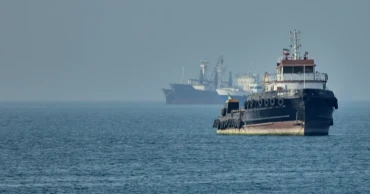
The warning, reported by Iranian state media on Saturday, came a day after the United States struck two Iranian oil tankers, raising fresh concerns over the stability of the month-long ceasefire. The U.S. military said the vessels were attempting to breach its blockade of Iranian ports.
Meanwhile, Bahrain, host to the U.S. Navy’s Fifth Fleet, said it had arrested 41 individuals allegedly linked to Iran’s Revolutionary Guard. Authorities claimed the group had been in contact with the Guard and collected funds intended to support what they described as “terrorist operations.”
Iran cautioned Bahrain against aligning with the U.S., warning of “severe consequences” and highlighting the strategic importance of the Strait of Hormuz, a vital global energy route that has largely been blocked since the conflict began on Feb. 28.
The ongoing blockade of the strait has disrupted global oil supplies, driven up fuel prices and unsettled international markets. The U.S. Central Command said its forces have turned back dozens of vessels and disabled several since enforcing the blockade in April.
Amid rising tensions, Britain announced it was deploying a warship to the Middle East in preparation for a possible multinational mission to safeguard commercial shipping in the Strait of Hormuz once hostilities subside. France has also moved its aircraft carrier group into the Red Sea as part of preparations.
Diplomatic efforts to end the conflict continue, with the United States awaiting Iran’s response to a proposed agreement aimed at reopening the strait and curbing Tehran’s nuclear programme. U.S. President Donald Trump has reiterated threats of intensified military action if Iran does not agree to the deal.
Pakistan said it has been engaged in continuous diplomatic contacts with both Washington and Tehran to help sustain the ceasefire and reach a broader peace agreement. Russia and Saudi Arabia have also called for a long-term diplomatic solution.
Russian President Vladimir Putin said Moscow’s proposal to take custody of Iran’s enriched uranium remains under consideration as part of potential negotiations, suggesting it could be placed under international monitoring.
Despite ongoing diplomacy, uncertainty remains over Iran’s leadership, with its new Supreme Leader Mojtaba Khamenei yet to make a public appearance since the conflict began. However, Iranian officials have said he is in good health.
Officials from Egypt and Qatar have also emphasized that dialogue remains the only viable path to resolving the crisis.
4 months ago