EPSMP
Youths call for 10,000MW solar roadmap in new energy master plan
Young climate activists have welcomed the government’s target to generate 10,000 MW of solar power by 2030, calling for a clear and time-bound roadmap to achieve the goal, along with a greater share of renewable energy in the Energy and Power Sector Master Plan (EPSMP) and a gradual phase-out of fossil fuel dependence.
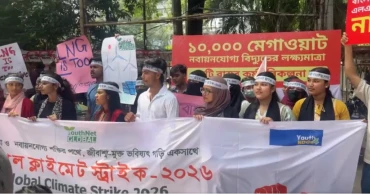
The call was made during a global climate strike held in front of the Jatiya Press Club in the capital on Friday, according to a media statement.
YouthNet Global and Youth for NDCs organised the programme.
Over 200 youths gathered with banners, placards and slogans highlighting the economic and environmental costs of importing oil, gas and coal.
Sohanur Rahman, executive coordinator of YouthNet Global, said Bangladesh cannot achieve climate justice while remaining dependent on fossil fuels.
“Every new LNG import deal increases pressure on ordinary people and deepens our vulnerability to global instability,” he said, adding that young people are demanding a just transition powered by renewable energy where energy is affordable, locally generated and sustainable.
“The upcoming EPSMP must include a clear roadmap for at least 10,000 MW of solar power by 2030 and a significantly higher share of renewables in the national energy mix,” Sohanur added.
Youths warned that continued dependence on fossil fuels is undermining both economic stability, energy security and climate resilience.
Founder and Executive Director of Youth4NDC Amanullah Porag said the country needs more affordable energy and an immediate shift towards renewable energy.
The demonstration took place amid escalating global energy market disruptions triggered by geopolitical tensions, which have destabilised fuel supply chains and driven up global energy costs.
Referring to Bangladesh’s international commitments, the activists stressed that reducing carbon emissions is not optional. “As a signatory to global climate agreements, Bangladesh must accelerate its transition to renewable energy.”
Expressing solidarity with the youth movement, Shafiqul Alam, Lead Energy Analyst at the Institute for Energy Economics and Financial Analysis (IEEFA), said renewable energy is essential to building a livable planet.
In Bangladesh’s case, its importance is even greater because the country remains heavily dependent on fossil fuels, he said.
Waterkeepers Bangladesh’s Coordinator Sharif Jamil said, “Transitioning away from fossil fuels is no longer merely a demand to respond to the planetary emergency due to the catastrophic impacts of climate change. Ensuring energy security through the development of renewables has become an issue of our independence. We must expand solar and wind as quickly as possible.”
Organisers said similar climate strike programmes were held simultaneously in 50 districts across the country, drawing participation from school, college and university students.
5 months ago