
The Trump administration has withdrawn a long-standing rule that automatically protected plants and animals listed as threatened under the US Endangered Species Act, a move critics say could make it more difficult to prevent species from becoming extinct.
The decision, announced Friday by the US Interior Department, means newly listed threatened species will no longer receive immediate federal protections. Instead, authorities will have to prepare separate protection plans for each species—a process that could take time and allow industries to seek exemptions for activities such as oil and gas drilling, mining and construction in affected areas.
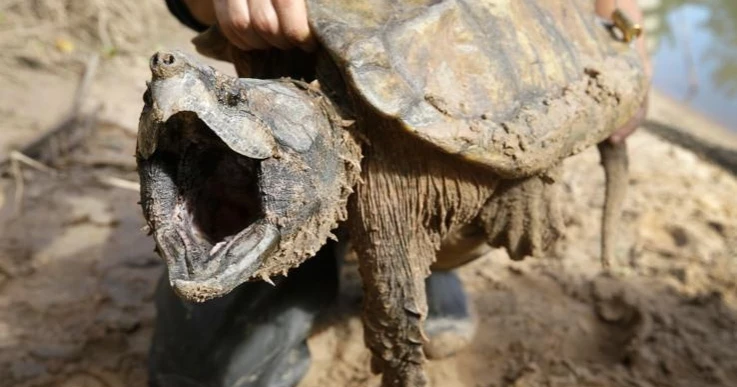
Environmental groups warned that the change could delay protection for vulnerable species, including monarch butterflies and alligator snapping turtles, leaving them at greater risk.
Interior Secretary Doug Burgum defended the decision, saying the Endangered Species Act had been used for too long to block development projects across the country.
He said success should be measured by how many species recover and are removed from the endangered list, rather than by how many are added.
The administration also finalized another rule requiring officials to consider the economic impact when deciding whether an area should be designated as critical habitat for a threatened species.
Conservationists argue the new requirement could give businesses greater influence over decisions involving environmentally sensitive areas.
Noah Greenwald of the Center for Biological Diversity said allowing exemptions for industries responsible for habitat destruction would weaken efforts to protect wildlife.
Similar policy changes were introduced during Trump's first term but were later reversed by former President Joe Biden.
The automatic protection rule was first introduced for wildlife in 1975 and expanded to plants in 1977.
Supporters of the latest changes, including the Rocky Mountain Elk Foundation and the Property and Environment Research Center, argue that automatic protections discourage private landowners from helping recover species because restrictions remain even after a species improves from endangered to threatened.
Jonathan Wood, vice president of the Montana-based research center, said the revised approach would encourage more proactive conservation efforts.
No new species have been added to the endangered or threatened lists during Trump's second term so far. More than 20 species were listed during his first term, while around 60 were added during Biden's presidency.
About 30 species are currently under consideration for threatened status, including monarch butterflies, alligator snapping turtles, California spotted owls and several species of snakes, fish, clams and insects.
The administration has introduced several changes to wildlife protection policies in recent months.
In March, it exempted oil and gas drilling in the Gulf of Mexico from parts of the Endangered Species Act, citing national energy security concerns.
Last week, officials narrowed the legal definition of what constitutes "harm" to a protected species, allowing development in critical habitats as long as the animals are not directly injured or killed.
This week, the Interior Department also reduced the amount of protected habitat designated for Canada lynx in the Rocky Mountains and announced plans to give states greater authority over grizzly bear management.
The Endangered Species Act has been credited with helping species such as the bald eagle and the American alligator recover from the brink of extinction.
Burgum noted that about 97% of species listed under the law remain protected, saying many Republican lawmakers believe recovered species should be removed from the list more quickly.