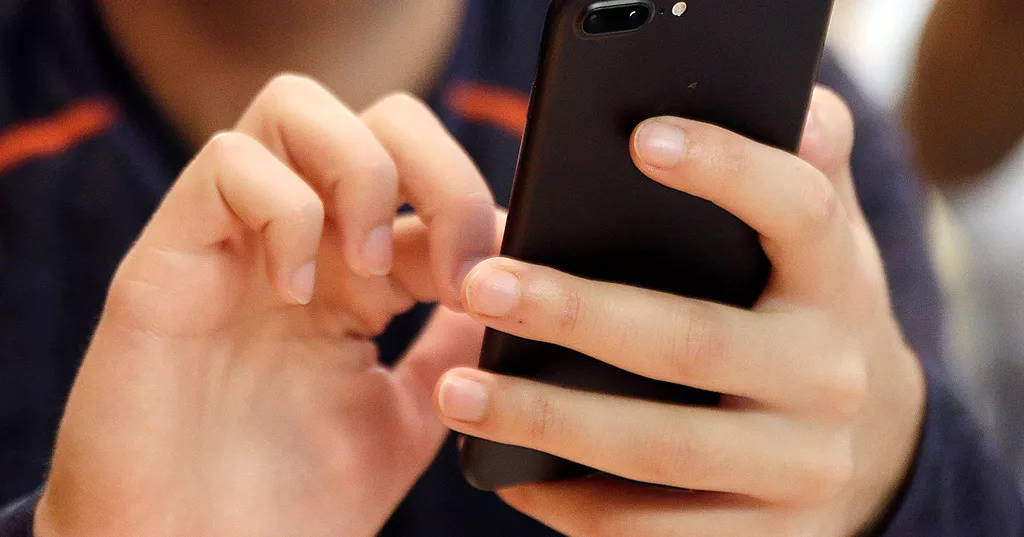
Frequent texting, scrolling and prolonged smartphone use can strain the hands and thumbs, causing pain, stiffness and discomfort that may develop into more serious conditions if left unaddressed, according to medical experts.
Often referred to as "texting thumb," the condition includes symptoms such as aching joints, stiffness, pain near the base of the thumb and clicking sensations during movement. Repetitive use of smartphones can also increase the risk of conditions such as carpal tunnel syndrome, thumb arthritis, trigger thumb and De Quervain's tenosynovitis.
Experts say modern smartphones are larger and heavier than earlier devices, while people now spend significantly more time using them—not only for calls and messages but also for social media, online banking, streaming videos and other daily activities.
Dr. Maureen O'Shaughnessy of the University of Kentucky HealthCare Hand Center said smartphones are now an integral part of everyday life, making it more practical to adopt healthier usage habits rather than avoiding devices altogether.
She advised users to avoid maintaining the same hand, wrist and elbow position for extended periods, as this can strain tendons and joints. Alternating hands while texting, using different fingers instead of relying solely on the thumbs, and changing posture regularly can help reduce stress on the hands.
Experts also recommend making use of smartphone accessibility features such as voice-to-text and increasing font size to lessen thumb movement and reduce the need to hold the phone close to the face.
Grip accessories, including ring or loop attachments on the back of phones, can improve comfort by distributing the device's weight more evenly across the hand. These accessories can also serve as stands when watching videos.
Daily stretching exercises may also provide relief. Doctors suggest gently flexing the wrists, stretching the fingers and moving the thumbs in small circles. For pain at the base of the thumb, placing the hand flat on a surface and gently pulling the thumb away from the fingers for about 30 seconds may help ease discomfort.
Medical experts advise seeking professional treatment if pain, numbness or tingling continues despite reducing screen time and using home remedies such as ice packs or over-the-counter anti-inflammatory medication.
Dr. Eugene Tsai of Cedars-Sinai Orthopaedics and Sports Medicine noted that human hands were not designed for prolonged smartphone use and emphasized the importance of taking regular breaks and using devices in ways that reduce strain on the joints and tendons.