Thunderstorm Lightning in Bangladesh
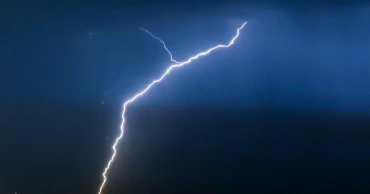
Thunderstorm Lightning in Bangladesh: Causes, Risks, and Safety Tips
Bangladesh experiences a diverse kind of natural disaster almost every year. Thunderstorm lightning is one of the most common and deadly hazards among them. Every year, many people and livestock lose their lives and get injured due to lightning strikes, especially during the rainy season. Between 1990 and 2016, lightning caused an average of 114 deaths each year in Bangladesh. In 2016, lightning was nationally declared a natural disaster in the country.
However, thunderstorm lightning-related deaths and injuries can be prevented if people know what to do and take simple safety steps. Let’s learn more about what lightning is, why it happens so often in Bangladesh, and how to stay safe.
What Is Thunderstorm Lightning and How Does It Happen?
Lightning is a bright flash of electricity that appears in the sky during a storm. It’s part of a weather event called a thunderstorm, which involves water, air, and electricity. That's why it is called a hydrometeorological disaster.
Inside thunderclouds, tiny pieces of ice and water bump into each other and move around quickly. This movement causes the cloud to build up electric charges; some parts become positive and others become negative. When the difference between these charges becomes too strong, the energy is released as a sudden spark called lightning.
Read more: Rema–Kalenga Wildlife Sanctuary in Habiganj: A Comprehensive Travel Guide
This lightning can move between clouds, inside the same cloud, or between the cloud and the ground. The air around it gets extremely hot in a very short time, making the air expand quickly. This expansion creates the loud sound is known as thunder.
Why is Bangladesh Prone to Thunderstorms and Lightning?
Bangladesh experiences more lightning than most other countries in the world. The highest number of lightning strikes usually happens during the pre-monsoon (March–May) and monsoon (June–September) seasons.
There are several reasons for this:
Weather Patterns:
Bangladesh has a tropical climate that is hot and humid. During the pre-monsoon season, warm air from the south meets cold air from the north. This mix creates strong thunderstorms. The hot temperatures and high humidity help form tall clouds that can produce lightning.
Read more: How Green Industries Can Reduce River Water Pollution in Dhaka City
Climate Change:
Climate change is making lightning more frequent. As the Earth becomes warmer, more water evaporates into the air, creating bigger and more active storm clouds. Scientists say that lightning strikes have increased because of global warming and that they are becoming stronger and more violent.
Geography and Terrain:
Bangladesh’s location and land features also make it more vulnerable. It lies between the Bay of Bengal, the Indian subcontinent, and the Meghalaya Plateau, all of which affect its weather.The northeastern region, especially Sylhet, has hills and wetlands that receive a lot of rainfall and moisture, making lightning more likely. The southeast coastal areas and southwest regions also face frequent storms, especially when cyclones form in the Bay of Bengal.
Why Are Lightning Deaths Increasing in Bangladesh?
Lightning deaths are rising for several reasons.
Most people who die from lightning are farmers or outdoor workers who work in open fields. During the pre-monsoon season, especially in Boishakh (April–May), lightning becomes more common because of hot temperatures, dusty air, and pollution.
Read more: Can Green Buildings in Bangladesh Create Opportunities for Carbon Trading?
Most lightning accidents happen in the afternoon, when people are outside working. Men are more affected because they spend more time in the fields.
Even though lightning can strike anywhere, rural areas are the most affected. Bangladesh has a high population density, meaning many people live close together, which increases the risk.
Another big reason for the high number of deaths is a lack of awareness. Many people don’t know how dangerous lightning can be or what to do when a thunderstorm starts. Some even follow false beliefs instead of real safety practices.
Read more: What Can Dhaka Learn from the Smart City Singapore
Preventive Measures Against Lightning Fatalities in Bangladesh
Avoiding danger is the best way to stay safe. Here are some important steps to reduce lightning risks in Bangladesh:
Strategic Lightning Safety Plan
The government, local authorities, and organisations should work together to make a national lightning safety plan. This plan should include appropriate measures to:
- Build safe shelters.
- Spread awareness through campaigns and social media.
- Train local leaders, teachers, and health workers to teach lightning safety.
- Share weather warnings and updates quickly through apps and media.
Besides these, the Bangladesh National Building Code also requires buildings to have lightning protection systems.
Read more: What is Carbon Trading? How does it work?
Build Lightning-Safe Structures
Installing earthing systems (grounding wires that carry electricity safely into the ground) is one of the best ways to protect buildings and people.
This can be done by burying copper or steel rods in the ground and connecting them to metal parts of a building or structure. Boats can also be made safer by adding lightning rods and grounding devices.
Use the BMD Weather App
The Bangladesh Meteorological Department (BMD) has a smartphone app that gives weather forecasts and storm warnings. People can use this app to check if thunderstorms are likely and plan their outdoor work accordingly.
To increase awareness, schools, NGOs, and community leaders can organise workshops, campaigns, and public announcements about using the BMD app.
Read more: Top Strategies to Enhance Fire Resilience in Dhaka City
Identify Vulnerable Communities
Communities need to find out who is most at risk, such as farmers, construction workers, and fishermen, and ensure they have nearby safe shelters during storms.
Local authorities can study which areas face more lightning and plan protective measures like building shelters and installing grounding systems.
Read more: Green Roofs in Dhaka City: Pathway to Smart Urban Agriculture
Teach the 30:30 Rule
The 30:30 formula is an easy way to judge lightning distance and danger:
If one sees lightning and hears thunder within 30 seconds, it means the storm is close, and one should find shelter immediately.
Stay indoors for at least 30 minutes after the last thunder.
Farmers, fishermen, and schoolchildren should be taught this rule. They should also wear rubber shoes or use wooden or plastic tools while working outdoors.
Read more: Organizational strategies to minimize earthquake damages in Dhaka City
Create Public Awareness
People need to learn how to stay safe during lightning storms.Local organisations can arrange folk songs, dramas, and storytelling to spread messages in villages. Schools can host seminars, distribute leaflets, and teach students safety tips. Posters and billboards can show safety instructions in public places.
Television, radio, and newspapers can share lightning safety information and stories of real incidents to help people understand the danger.
Plant Palm Trees
Palm trees naturally attract lightning, which helps protect nearby people and buildings. Unfortunately, many have been cut down because of urban development. The government started a programme in 2017 to plant more palm trees in rural areas. Communities can be encouraged to do this by engaging local agricultural officers, organising tree-planting campaigns and teaching students about their importance.
Read more: Flood Control and How to Minimise Losses
Personal Safety Tips During Thunderstorm Lightnings
Here are some simple ways to stay safe from lightning strikes during a thunderstorm:
- The safest place is inside a closed building.
- A car with a metal roof is also safe.
- Keep doors and windows closed and stay away from metal objects, water, and electrical items.
- Avoid open areas, high places, tall trees, and small shelters like huts.
- Never stand under a single tree, as it increases the chance of being struck.
- Don’t use telephones or electrical appliances during a storm.
- If one can’t find shelter, one needs to crouch low to the ground and avoid contact with the ground as much as possible.
- In forests, stay in low areas with small trees close together.
- If one stays on the water during a thunderstorm, then one should come to the nearby land immediately. It is recommended to avoid swimming or boating during lightning strikes.
- If one floats on a boat during lightning strikes, then one should move the water vehicle under a bridge or cliff if possible.
Read more: Can a Sponge City Tackle Flooding in Dhaka?
Conclusion
Lightning is a natural and powerful event, but it doesn’t have to be deadly. With awareness, planning, and simple precautions, people in Bangladesh can protect themselves, their families, communities and livestock from deaths and injuries caused by thunderstorm lightning incidents.
By building safe shelters, teaching lightning safety in schools, planting palm trees, and using the BMD Weather App, the number of lightning-related casualties and fatalities can be reduced significantly, making Bangladesh safer for everyone.
Read more: How to Build Dhaka as a Water Wise City
1 year ago