polythene alternatives
Weak enforcement keeps polythene thriving in Bangladesh markets: Insiders
More than 15 months after the government imposed a ban on polythene in retail markets, the banned plastic continues to be widely used across city streets and rural bazars in Bangladesh, reflecting weak enforcement and easy availability, according to market observers and industry insiders.
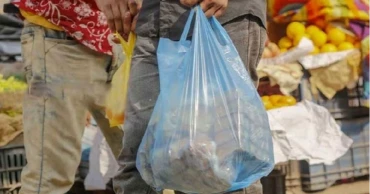
“Across Dhaka and other major towns, shoppers leave markets with bags full of banned polythene, with neither sellers nor buyers appearing to exercise caution or awareness,” said Hasan Shahriar, businessman.
Despite laws existing for over two decades, he said, polythene remains a persistent feature of daily commerce.
Analysts, including environmentalists and journalists, insist that without robust enforcement, assured alternative supplies, and a crackdown on entrenched syndicates, the country’s attempts to curb plastic usage are doomed to repeatedly falter.
Read more: Lack of coordination dooms govt drive against polythene, single-use plastics
Fighting for environmental protection requires more than legislation; it needs pragmatic planning and political will, they said.
On the Ground: Polythene in Every Stall
Field visits to Dhaka’s markets reveal that fish, meat, vegetables, fruits, and groceries are all still sold in polythene. Vendors cite its low cost, availability, and convenience as key reasons for continuing its use, while buyers face no additional cost.
In contrast, alternatives such as paper, cloth, or jute bags remain largely absent. Some supermarkets in the capital have reportedly reduced polythene usage, but the change has yet to spread widely.
Before the interim government’s enforcement drive, several rounds of consultations took place with environmental advisers and stakeholders. Traders were given deadlines to comply with the ban, yet polythene reappears in large markets, bazaars, and alleyways shortly after enforcement actions.
Vendors argue that without viable alternatives, they are compelled to continue using polythene. Environmental authorities maintain that all efforts are being made to eliminate its use.
Law Exists, Enforcement Lags
Bangladesh first banned polythene production, marketing, and distribution in 2002 under the Environmental Conservation Act, which criminalised general polythene bag use. In 2024, the interim government renewed the ban, effective from 1 October, prohibiting polythene bags in supermarkets nationwide.
From 1 November, nationwide enforcement extended to all bazaars and retail outlets, outlawing production, sale, storage, transport and use of polythene and polypropylene shopping bags.
Read more: Rizwana for developing habit of using cloth, jute bags instead of polythene
In practice, however, the ban has been largely symbolic. While initial enforcement was stringent, compliance waned within days, and polythene quickly returned to the market.
Numbers Are Stark
Research indicates that nearly 3,000 factories in Bangladesh produce millions of polythene bags daily. In Dhaka alone, approximately 20 million bags are generated each day.
Around 80% of the population relies on polythene or plastic products in some form, placing Bangladesh among the world’s most plastic-polluted countries.
Open Factories in Old Dhaka
Despite the ban, hundreds of polythene factories operate openly in areas such as Debidashghat Lane, Gani Miar Hat, and Larkipotti in Old Dhaka.
Locals claim that these syndicates maintain operations with tacit administrative approval.
A 2025 raid on an illicit factory in Chawkbazar, during which environmental officers were attacked, underscored the syndicates’ reach. Monitoring and Enforcement Director Shawkat Ali suffered serious injuries in the incident.
A Lack of Alternatives
Markets, including Karwanbazar, Kitchen Market, and Muslim Bazar show near-universal polythene use. A vegetable vendor told UNB, “If I don’t give polythene, customers will go elsewhere. Paper or jute bags simply aren’t available in the market.”
Read more: Jute: The Greenest Alternative to Plastic Bags
Buyers echo this, noting that bans alone cannot suffice without affordable, practical alternatives. Many alternative bags in supermarkets remain beyond the reach of ordinary consumers.
Environmental and Health Risks
Prof Ahmad Kamruzzaman Majumdar of Stamford University, and Director of CAPS, told UNB that polythene harms the environment in three key ways: soil pollution, blocked drains causing waterlogging, and ineffective waste management. When burned, it releases toxic gases; in water, it degrades quality. When it enters the food chain, it increases risks of cancer and other diseases.
He stressed that effective reduction requires alternatives that are cheap, portable, and suitable for wet goods. “Without such options, bans are ineffective,” he said.
Preparedness Gaps Lead to Failure
Former Additional Director of the Department of Environment, Engineer Md. Abdus Sobhan, told UNB that the sudden announcement of the ban without preparation was the primary cause of failure. “Markets lacked alternatives, administrative capacity was limited, and coordination among law enforcement was weak,” he said.
Read more: Govt to distribute jute bags at subsidised rates: Adviser Rizwana
Alamgir Kabir, General Secretary of the Bangladesh Environmental Movement, added that polythene can only be eliminated permanently if low-cost, easily accessible alternatives are provided. “If jute bags cost twice as much, people will never adopt them,” he warned.
Government Response
Syeda Rizwana Hasan, Environmental Adviser, told UNB that the government is striving to enforce the law. “Supermarkets in Dhaka no longer provide polythene. Implementing the ban across the country is challenging, but we have started. The next elected government can continue implementation.”
She stressed that public awareness is vital, and a ‘polythene-free daily’ mindset must be cultivated.
Md Ziaul Haque, Additional Director of the Department of Environment, said enforcement continues through awareness campaigns and mobile courts, alongside attempts to disrupt the supply chain.
“Trucks carrying polythene from Dhaka to other regions have been intercepted, and factories temporarily shut down. We will resume these operations swiftly,” he added.
8 months ago