Iran's nuclear sites
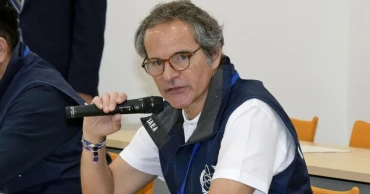
IAEA chief says inspectors will visit Iran's nuclear sites under interim deal
The head of the UN nuclear agency said Wednesday that inspectors would visit Iran's uranium enrichment facilities under the interim agreement reached between the United States and Iran, a key step toward ending tensions over Tehran's nuclear programme.
International Atomic Energy Agency (IAEA) Director General Rafael Mariano Grossi made the remarks during a visit to Japan, offering the clearest indication yet that the agency would resume inspections of Iran's key nuclear sites.
The IAEA has been barred by Tehran from accessing its uranium enrichment facilities since Israel's 12-day war with Iran in 2025. The sites are believed to hold enough highly enriched uranium that could potentially be used to produce up to 10 nuclear weapons if Iran decided to pursue one.
Iran has consistently maintained that its nuclear programme is entirely peaceful, although it remains the only country without a declared weapons programme to enrich uranium to 60 percent purity.
The United States and Iran issued conflicting statements on Tuesday over whether the enrichment sites would be opened to inspectors. Grossi described the disagreement as a "war of words."
Speaking to reporters at the Fukushima Daiichi nuclear power plant, Grossi said a memorandum of understanding signed by the presidents of both countries explicitly states that nuclear activities involving nuclear material and facilities would be supervised by the IAEA.
"Obviously, to do that, we will have to inspect," he said, adding that whether inspections begin in a few days or slightly later is not critical because "this is going to happen."
The inspections are considered essential to implementing the interim agreement, which requires Iran's stockpile of highly enriched uranium to be diluted to lower enrichment levels.
There was no immediate reaction from Tehran.
On Tuesday, Iranian Foreign Ministry spokesman Esmail Baghaei said UN inspectors were not scheduled to examine nuclear sites bombed by the United States last year, rejecting earlier comments by US Vice President JD Vance.
Although the IAEA has been allowed to visit other nuclear facilities in Iran, including the Bushehr nuclear power plant, the agency says it cannot verify the status of Iran's uranium stockpile or inspect centrifuges used for enrichment without access to the enrichment sites.
Both Iran and the IAEA say Tehran is not currently enriching uranium. However, non-proliferation experts have expressed concern that Iran could move its stockpile to undeclared locations.
The United States and Iran reached an interim agreement last week under which Tehran would dilute its enriched uranium stockpile and receive relief from US-backed sanctions on its oil sector. The two sides were also given 60 days to negotiate a broader agreement.
The fragile ceasefire surrounding the agreement has already faced challenges, with Iran saying it had again closed the strategic strait amid fighting between Israel and the Iran-backed Hezbollah movement in Lebanon. Violence resumed in Lebanon on Tuesday but did not escalate further.
Meanwhile, US Secretary of State Marco Rubio arrived in the Gulf region on Wednesday for a three-nation tour.
According to the State Department, Rubio began his trip in the United Arab Emirates, where he held a closed-door meeting and working lunch with UAE President Sheikh Mohamed bin Zayed Al Nahyan in Abu Dhabi.
Rubio is scheduled to travel later to Kuwait and Bahrain for meetings with their leaders.
3 months ago