Zoë Armstrong
Endometriosis Can Go Undiagnosed for Years, but New Tests Offer Hope
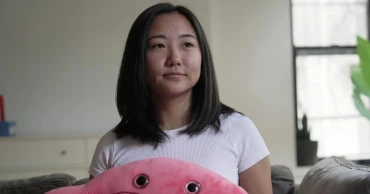
When Zoë Armstrong received an ultrasound report showing signs of endometriosis, she broke down in tears while speaking with her mother. After years of pain and repeated visits to doctors, she finally had an explanation for what she had been experiencing.
Seeing the diagnosis in writing made her feel validated.
Armstrong's experience reflects a wider problem. According to the American College of Obstetricians and Gynecologists, many patients wait 10 years or even longer after their symptoms begin before receiving a diagnosis of endometriosis.
The condition affects about one in 10 women worldwide. It occurs when tissue similar to the lining of the uterus grows elsewhere in the body, often causing severe pain and other health problems.
Severe pain and other symptomsEndometriosis is believed to be a chronic inflammatory disease, although its exact cause remains unclear. Experts say genetic factors may also play a role.
The symptoms can vary depending on where the tissue grows and how severe the condition is. It commonly affects the ovaries, bladder and bowel, though in rare cases it can occur outside the pelvic area.
Common symptoms include severe pain during menstruation, sexual intercourse or bowel movements. Patients may also experience bloating, fatigue and infertility.
Dr. Drorit Or of Mount Sinai West in New York said the pain can be so severe that some patients are unable to attend school or work and may remain in bed for days.
Armstrong began experiencing symptoms when she was 11. She suffered stabbing pain on the left side of her body and frequently had to visit the school nurse. Later, she developed severe pain, nausea, heavy menstrual bleeding, acne and ruptured ovarian cysts.
After getting married, her pain became even more intense and frequent.
Why diagnosis often takes so longArmstrong was eventually diagnosed at the age of 29 by a doctor who also had endometriosis.
An ultrasound detected an endometrioma, a cyst associated with the disease. After searching for the term online, Armstrong finally began to understand what could be causing her long-standing health problems. Surgery later confirmed the diagnosis.
Experts say delayed diagnosis can happen for several reasons. Menstrual pain is often considered normal by both patients and doctors. In addition, the symptoms can resemble those of other medical conditions.
Dr. Megan Billow of the Cleveland Clinic said not all health care providers have sufficient experience or expertise in identifying endometriosis.
Doctors suggest that patients keep a record of their symptoms, including when pain occurs, where it is felt and how severe it becomes. This information can help doctors better understand the patient's condition.
Patients should also feel comfortable asking their doctors whether endometriosis could be a possible cause of their symptoms.
New diagnostic tests raise hopesNew tests designed to help detect endometriosis are already being used in some countries, although they have not yet received approval from the U.S. Food and Drug Administration.
One test, called EndoSure, takes about 30 minutes. It measures electrical signals in the gut using sensors placed on the abdomen, and the results are provided to the doctor afterward.
Another test, known as Endotest, analyzes saliva samples for microRNAs that may indicate the presence of endometriosis. Results are generally available within two to three weeks.
In the United Kingdom, health advisers have issued draft guidance recommending that both tests be used by the National Health Service for three years while more evidence is gathered about their effectiveness. The aim is to help speed up diagnosis, particularly in primary care.
Dr. Mark Noar, founder of Maryland-based EndoSure, said the company is preparing its application to the FDA to seek approval for the test as a tool to assist doctors in diagnosing the disease.
Meanwhile, French company Ziwig is working to make Endotest available to patients in the United States through a pathway that allows certain laboratory-developed tests to be offered through certified laboratories without FDA approval.
Dr. Andrew Spiers of Ziwig said such tests should be considered an important starting point rather than a replacement for other diagnostic methods. Once doctors identify the possibility of endometriosis, further imaging and examinations may still be necessary.
U.S. doctors agree that these new tests could become useful additions to existing diagnostic methods, but they are unlikely to provide a complete solution. They also will not address the long-standing tendency to dismiss or normalize severe menstrual pain.
Treatment options are availableOnce diagnosed, patients can work with doctors to develop a treatment plan based on their symptoms and individual needs.
Treatment options include painkillers such as ibuprofen and prescription medicines designed specifically for endometriosis. Hormonal treatments, including birth control pills, progestin therapy and medicines that temporarily stop menstruation, may also help manage symptoms.
Surgery can be another option in some cases. Severe cases may require more extensive procedures, including hysterectomy.
Armstrong underwent excision surgery to remove endometriosis lesions and scar tissue. She still receives regular care, including pelvic floor therapy and treatment for other related health problems.
She now visits middle and high schools across New York City with the Endometriosis Foundation to raise awareness about the disease and other women's health conditions.
Armstrong believes young people need better information about the warning signs and when to seek medical help.
Dr. Or said that while endometriosis can be difficult to diagnose and manage, patients should know that treatment and support are available.
Women do not have to simply accept severe pain as a normal part of life, she said, adding that many people with endometriosis can manage the condition and live healthy, fulfilling lives.
1 day ago