PM’s adviser Mahdi Amin
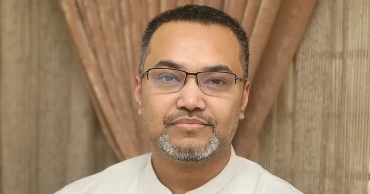
PM’s adviser Mahdi Amin calls for normal production, mutual trust in RMG sector
Prime Minister’s adviser on Labour and Employment Mahdi Amin called upon garment workers and owners to maintain mutual trust, respect, tolerance and cooperation to ensure a productive working environment.
In a Facebook post on Wednesday, Mahdi, also the Prime Minister’s Office Spokesperson, urged them not to be influenced by misinformation, provocation or misleading campaigns and to maintain normal production activities at their respective workplaces.
The revised structure was determined considering workers' living expenses, needs and fair expectations, alongside prevailing inflation, the industry's financial capacity and wage structures in competing countries in the international market, he wrote.
The minimum monthly wages of workers in RMG sector have been increased by 36 to 43 percent across four grades, with the highest-paid category receiving Tk 21,500 and the lowest Tk 17,000.
The decision was taken based on a consensus among all parties in the RMG Minimum Wage Board, Mahdi said.
Under the new structure, the minimum monthly wage for Grade 1 workers, including senior sewing, cutting, ironing and finishing operators, pattern makers, sample makers, screen printers and senior dyeing operators, has been fixed at Tk 21,500, up from Tk 15,035, representing a 43 percent increase.
For Grade 2 workers, including sewing, cutting, finishing and quality control operators, senior helpers, senior collar joiners and senior cuff makers, the minimum wage has been set at Tk 20,000, compared to Tk 14,273 previously, an increase of 40.11 percent.
The minimum monthly wage for Grade 3 workers, including junior operators, experienced helpers, folders, packers, tagging workers and sewing assistants, has been raised to Tk 19,200 from Tk 13,550, marking a 41.70 percent increase.
Meanwhile, the minimum wage for Grade 4 workers, including helpers, thread cutters and line assistants, has been fixed at Tk 17,000, up from Tk 12,500, a 36 percent increase.
The increase came within just three years of the last wage revision in 2023 and would help improve workers' incomes, living standards and socioeconomic security, he added.
Apart from the increased minimum wages, workers will also receive their entitled overtime payments and bonuses, which will further raise their overall monthly earnings, said Mahdi Amin.
In his post, the adviser highlighted the contribution of garment workers to the country's export, saying the global recognition of 'Made in Bangladesh' was built on their hard work, skills, sacrifices and dedication.
He stressed that ensuring workers' fair wages, dignity, workplace safety and improved living standards was not merely an economic necessity but also a collective moral responsibility.
He said workers' welfare and the industry's prosperity were complementary, noting that a strong and competitive garment sector was essential to safeguarding employment, investment and export growth.
The adviser thanked the wage board, workers' representatives and employers' representatives for reaching an acceptable wage structure, expressing hope that their collective efforts would help strengthen the garment industry and the country's economy.
28 minutes ago