budget-friendly smartphone
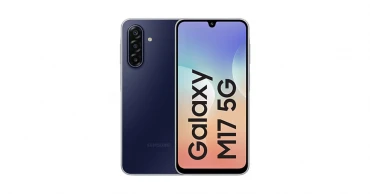
Samsung Galaxy M17 5G Review: Mid-Range Power with Premium Touch
The Samsung Galaxy M series is famous for offering massive battery life and vivid AMOLED displays at a budget-friendly price. The new Samsung Galaxy M17 5G, announced in October 2025, continues this legacy while adding premium features like on-device AI, targeting consumers who are looking for endurance and smart functionality. Let's take a look at the main specs, features, merits, demerits and pricing of the Samsung Galaxy M17 5G in Bangladesh.
Key Features of Samsung Galaxy M17 5G
.
Design and Build Quality
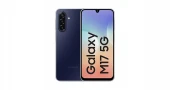
The design of the Samsung Galaxy M17 5G strikes the perfect balance between simplicity and sophistication. With a 7.5mm slim profile, the phone feels light yet sturdy in hand. The back panel has a soft matte finish that resists fingerprints quite well, giving it a refined look.
The IP54 rating ensures protection against dust and minor splashes. M17 5G is not just about looks—it is built for everyday life, and the side-mounted fingerprint sensor is quick and responsive. Even though it is a plastic frame, it does not feel cheap at all. Available in a classy Black color (with more options expected), the M17 5G gives off a subtle premium vibe—ideal for users who want elegance without the extra cost.
Read more: Top Flagship Smartphones Released in 2025 So Far
Display Quality
Samsung's expertise in displays shines through with the M17 5G. It sports a spacious 6.7-inch Super AMOLED panel with FHD+ resolution (1080x2340), which translates to deep, inky blacks and vibrant, punchy colours that make media consumption a treat. Crucially, the screen peaks at an impressive 1100 nits of brightness, ensuring excellent visibility even under harsh midday sun.
While the 90 Hz refresh rate is not the cutting-edge 120 Hz found on some higher-end models, it represents a very noticeable jump in smoothness over a standard 60 Hz screen. Scrolling, swiping, and general interface animations feel fluid and responsive, providing a premium experience that enhances daily interaction without excessively draining the battery.
Camera Performance
The Galaxy M17 5G enters the ring with a very competitive triple-camera setup on the back. The highlight is undoubtedly the 50 MP primary sensor, which, thankfully, includes Optical Image Stabilisation (OIS). In the mid-range segment, OIS is a game-changer, dramatically reducing camera shake when shooting photos or videos, resulting in sharper images, especially in challenging low-light conditions.
The primary camera captures excellent detail in good daylight, producing high-quality, well-exposed images. Complementing the main sensor is a standard 5 MP ultrawide camera, which is decent for fitting more into the frame but lacks the sharpness of the main lens.
Read more: Best 10 Smartphones Releasing in Bangladesh in October 2025
There is also a 2 MP macro sensor, which, while functional for close-up shots, is largely a checklist item. For selfies, the 13 MP front camera is sharp and reliable, though video recording is capped at 1080p and 30 fps across both the front and rear cameras, which is adequate but not stellar.
Processor Performance
Under the hood, the M17 5G is powered by the 5 nm Exynos 1330 chipset. Fabricated on an efficient 5nm process, this octa-core processor, with its two high-performance Cortex A78 cores clocked at 2.4 GHz, is a capable and power-conscious engine.
This chip is explicitly designed to offer robust performance for daily multitasking, application switching, and general web browsing. It is a workhorse that handles typical phone usage—social media, streaming, and light productivity—with great stability and speed. It sits firmly in the upper mid-range of budget chipsets, prioritising energy efficiency and solid daily reliability over raw, unbridled speed.
Gaming Performance
For those interested in mobile gaming, the combination of the Exynos 1330 and the Mali-G68 MP2 GPU offers a respectable experience. Casual games run flawlessly, and popular, graphically moderate titles like Brawl Stars or Candy Crush are handled easily. Even demanding games like COD Mobile or Genshin Impact are playable, provided you stick to moderate or low graphics settings.
Read more: iPhone 17 Pro and Pro Max Review : Apple’s Bold Leap into the Future
The 90 Hz display provides a competitive edge in fast-paced games by reducing motion blur. However, the one significant bottleneck here is the standard 4 GB of RAM. For heavy-duty, sustained gaming or running multiple complex apps in the background, this limited RAM configuration is likely to cause stutters and force background apps to reload more frequently than a device with 6 GB or 8 GB.
Battery Life
While the M-series title of "Battery King" often conjures images of ultra-capacity cells, the 5000 mAh battery in the M17 5G is still very respectable. It easily promises a full day of heavy use and, for moderate users, should comfortably stretch into a second day.
The combination of the efficient 5 nm Exynos chip and the 90 Hz AMOLED display helps conserve power effectively. The main critique in this department is the charging speed; the 25W wired fast charging, while present, feels quite slow when topping up a 5000 mAh cell, meaning you will need to set aside a couple of hours for a full charge from empty.
Software and User Interface
Running on Android 15 with Samsung’s One UI skin, the software experience feels clean and user-friendly. The UI is intuitive, smooth, and packed with customisation options. From colour themes to home screen layouts, Samsung gives users enough flexibility to personalise their experience.
Read more: Apple iPhone Air: The Ultra-Thin Revolution – A Complete Review
Samsung has also refined animations and improved app responsiveness in this iteration. Multitasking, split-screen use, and app pairs all work flawlessly. While there is a bit of pre-installed bloatware, most of it can be easily removed. Security updates and OS upgrades are expected for at least three years, which is impressive for a mid-range device.
Storage Options
The phone comes with a single main configuration offering 128 GB of internal storage. For most users, this is adequate for storing thousands of photos, dozens of apps, and videos. The inclusion of USB OTG support is a great addition for easily transferring files to external drives.
However, the device features a hybrid SIM slot, meaning the user must choose between using a second SIM card for connectivity or expanding the 128 GB storage via a microSD card. Coupled with the 4 GB of RAM, while the 128 GB of storage is fine, the RAM capacity is certainly the weak point in the memory section and might be the first thing a power user finds limiting.
Read more: Apple iPhone 17 Review – “More Than Just a Better Camera?”
Pros & Cons of Samsung Galaxy M17 5G
.
Pros
- Sleek and lightweight design (7.5mm thickness)- Bright 6.7-inch Super AMOLED display with 90Hz refresh rate- Smooth performance with Exynos 1330 (5nm) chipset- Reliable 5000mAh battery with 25W fast charging- Good camera quality (50MP triple rear setup)- Decent gaming performance for mid-range users- Android 15 with clean and user-friendly One UI- Gorilla Glass Victus protection for better durability- Side-mounted fingerprint sensor is quick and accurate- IP54 rating for dust and splash resistance.
Read more: realme 15T Review with Price in Bangladesh
Cons
- Only 4GB RAM may limit heavy multitasking- Plastic body feels less premium- No 4K video recording option- No stereo speakers- Lacks wireless charging- Slight bloatware in One UI- No official IP68 water resistance- Fast charging could be faster for 2025 standards- Average low-light camera performance- Limited color options available.
Read more: Samsung Galaxy S25 FE Review: Perfect Balance of Power, Performance
Price of Samsung Galaxy M17 5G
The Samsung Galaxy M17 5G is expected to be priced at around BDT 20,000 in Bangladesh.
Final Words
The Samsung Galaxy M17 5G is a solid mid-range phone with a great display, reliable battery, and smooth performance. It is perfect for casual gamers, students, and everyday users. However, heavy multitaskers or those seeking premium builds and flagship-level cameras might want to explore higher-end options instead.
Read more: Oppo A6 Max Review with Price in Bangladesh
11 months ago

Tecno Spark 40 Pro Review: Budget Brilliance or Just Another Buzz?
Tecno, a brand synonymous with budget innovation, has steadily carved a niche in the affordable smartphone segment, especially in markets like South Asia and Africa. Their Spark series has long been known for offering impressive features at wallet-friendly prices. Released on 7 July 2025, the Spark 40 Pro continues this trend, promising upgrades in camera tech, processing power, and gaming experience. Let's delve into the specs, pros, cons and price of the Tecno Spark 40 Pro in Bangladesh.
Key Features of Tecno Spark 40 Pro
.
Design and Build Quality
The Tecno Spark 40 Pro does not reinvent the wheel in terms of aesthetics, but it offers a refined look that feels more premium than its price would suggest. Its sleek curves, slim profile, and matte finish back make it comfortable to hold. You get color choices like Ink Black, Moon Titanium, Lake Blue, and Bamboo Green, which bring a fresh, youthful vibe.
When compared to the Tecno Spark 30 Pro, the 40 Pro comes with a more rugged build and higher water/dust resistance at IP64 (vs IP54), which adds a bit more durability. Though both models stick to plastic frames, the Spark 40 Pro feels more solid and less creaky.
Read more: Best Smartphones Releasing in July 2025
The Huawei Nova Y73 steps behind here with a slightly bulkier body and no stereo speakers. However, it does offer drop resistance up to 1.8 m, which is a nice bonus for clumsy users. Meanwhile, the Honor X70i, at just 7.3 mm thick and weighing 178.5 g, edges out all in terms of thinness and portability while also being IP65 certified, offering slightly better water resistance.
Display Quality
This is one of the biggest upgrades in the Spark 40 Pro. The 6.78-inch AMOLED panel with a 144 Hz refresh rate and PWM dimming is impressive at this price point. The resolution is bumped to 1220 x 2712 pixels, which results in around 439 PPI—sharper than both the Spark 30 Pro and the Honor X70i.
In contrast, the Spark 30 Pro features a similar AMOLED panel but with a slightly lower 120 Hz refresh rate and resolution (1080 x 2436), although it gets brighter with a 1700 nits peak. Still, the Spark 40 Pro edges ahead with smoother scrolling and crisp visuals.
Against competitors, Huawei Nova Y73 clearly lags with its 720p IPS LCD screen. The 90 Hz refresh rate and low pixel density (264 PPI) make it feel outdated next to the Spark 40 Pro. On the other hand, the Honor X70i's AMOLED panel is brighter (up to 3500 nits), offering richer visuals outdoors, though its refresh rate stays at 120 Hz.
Read more: vivo T4 Ultra Review: A Game-Changing Mid-range Flagship
Camera Performance
Tecno has scaled back slightly in the megapixel war with a 50MP main sensor in the Spark 40 Pro, compared to the 108MP unit in the Spark 30 Pro. However, in actual usage, the difference is not always noticeable. The 50 MP sensor on the Spark 40 Pro uses pixel binning and improved software to deliver well-exposed, detail-rich photos, especially in daylight. In low light, the dual-LED flash and HDR enhancements help, but it still shows grain in darker scenes.
For selfies, the 13 MP front camera with dual LED flash performs decently, producing natural skin tones and balanced exposure. It holds up well in video calls and casual content creation.
Compared to the Huawei Nova Y73, which also sports a 50MP sensor, the Spark 40 Pro offers better image clarity and more consistent colour accuracy, particularly in challenging lighting. The Nova's selfie camera, limited to 8 MP, also cannot match Tecno’s.
The Honor X70i, with its 108 MP sensor, performs better overall, especially in detail capture and sharpness. Its image processing is more mature, thanks to Honor’s superior computational photography software. However, the Spark 40 Pro still stands its ground surprisingly well in good lighting conditions.
Read more: Infinix GT 30 Pro Review: Best Budget Gaming Phone with Flagship Features in 2025
Processor Performance
The Spark 40 Pro runs on the MediaTek Helio G100 (6 nm) chipset—the same as its predecessor, the Spark 30 Pro. It is an octa-core processor with 2x Cortex-A76 and 6x Cortex-A55 cores. While this might seem like Tecno is playing it safe, the performance is consistent and efficient for the segment.
Basic multitasking, switching between apps, and even handling multiple social media apps or browser tabs is smooth. But when compared with Honor X70i, which is powered by the more powerful Dimensity 7025 Ultra, there is a clear performance gap. The X70i opens apps faster, handles heavier tasks with ease, and simply feels snappier.
The Huawei Nova Y73, on the other hand, comes with a dated Kirin 710A (14 nm) chip, which struggles under heavy load and is less power-efficient. So, the Spark 40 Pro sits nicely in the middle ground—better than Huawei, but below Honor.
Gaming Performance
Gaming on the Spark 40 Pro is decent, but do not expect flagship-level performance. Popular titles like PUBG Mobile, Call of Duty: Mobile, and Free Fire run well on medium graphics with stable frame rates. Thanks to the 144 Hz refresh rate display, games feel smoother, although the GPU (Mali-G57 MC2) cannot fully utilise the refresh rate in heavier games.
Read more: Basic to Flagship: Top 5 Official Smartphones Released in Bangladesh in 2025
Compared to the Spark 30 Pro, the experience is quite similar since both share the same chipset. However, slightly better thermal management and UI optimisation on the 40 Pro give it an edge in prolonged gaming sessions.
Huawei Nova Y73 is not ideal for gaming—it suffers from frequent frame drops in graphic-intensive games and gets warm quickly. In contrast, Honor X70i is clearly superior in this department. The Dimensity 7025 and IMG BXM-8-256 GPU combo allows for high settings in demanding titles and better FPS consistency, offering a near mid-range experience.
Battery Life
The 5200 mAh battery on the Spark 40 Pro ensures all-day usage even with heavy tasks. With casual use—browsing, streaming, light gaming—it can stretch into the second day. Charging is also improved with a 45W fast charger, which takes the battery from 0 to 50% in under 30 minutes.
It outpaces the 5000 mAh/33 W combo on the Spark 30 Pro and the 40W charger on the Huawei Nova Y73, despite the latter's larger 6620 mAh capacity, which takes significantly longer to recharge. The Honor X70i, although powerful, has a 6000 mAh battery and slower 35W charging, meaning it takes longer to juice up despite lasting long.
Read more: Xiaomi Redmi Turbo 4 Pro Review: Can It Survive the Competition?
In terms of battery optimisation, the Spark 40 Pro’s balance between display, processor, and software makes it one of the more efficient budget phones currently available.
Software and User Interface
Running Android 15 with HIOS 15.1, the Tecno Spark 40 Pro offers a smooth, clean user experience. Tecno has come a long way with HIOS—it is now more streamlined, less bloated, and more customisable. Features like smart panel, lightning multi-window, and gesture control improve usability.
There are still a few minor annoyances—pre-installed bloatware and occasional ad prompts—but far fewer than what older Tecno users might remember.
Compared to the Spark 30 Pro’s HIOS 14 and Huawei Nova Y73’s EMUI 12 (Android 12, no Google Play Services), the 40 Pro is clearly ahead in terms of OS version and long-term support. Honor X70i’s MagicOS 9, based on Android 15, is equally modern, with smoother animations and deeper system-level integration, but it is more resource-hungry.
Read more: vivo iQoo Z10 Turbo Review: Is It the Mid-Range Beast You Are Looking For?
Storage Options
Tecno gives users flexibility here with 128GB and 256GB storage options, both paired with 8GB of RAM and additional virtual RAM support. The best part? It supports microSDXC cards, which neither the Honor X70i nor the Huawei Nova Y73 offer.
This expandable storage is a win for content creators and media hoarders who do not want to rely solely on internal memory. Spark 30 Pro also offers the same configuration, but 40 Pro’s improved read/write speeds and file management enhancements make it feel faster in day-to-day use.
Pros and Cons of Tecno Spark 40 Pro
Pros
- Large 6.78-inch AMOLED display with 144Hz refresh rate.- High-resolution screen (1220×2712 pixels) for sharp visuals.- Comes with 8GB RAM and 128GB/256GB storage options.- Stereo dual speakers deliver rich sound.- Has an Infrared port for remote control use.- Big 5200mAh battery lasts long.- 45W fast charging powers up quickly.- Android 15 with clean HIOS 15.1 software.- Expandable storage via microSD card.
Read more: Motorola Edge 60 Pro Review: Know the Pros and Cons
Cons
- No support for 5G network.- Same old Mediatek Helio G100 chipset.- Camera downgraded from previous model (50MP vs 108MP).- Still comes with some bloatware.- No major design upgrade over Spark 30 Pro.
Price of the Tecno Spark 40 Pro in Bangladesh
The Tecno Spark 40 Pro is expected to cost around BDT 24,000 in Bangladesh for the 8GB+128GB variant.
Final Words
The Tecno Spark 40 Pro is ideal for budget-conscious users seeking a sharp display, long battery life, and solid daily performance. It is great for students, casual gamers, and content streamers. However, power users, mobile photographers, or those needing 5G connectivity should consider alternatives with faster chips and better cameras.
Read more: vivo V50 Lite Review: Does it offer value-for-money
1 year ago
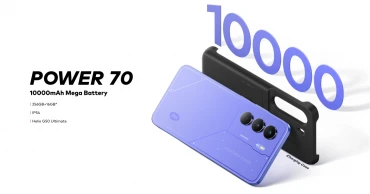
itel Power 70 Review: Another budget-friendly gem
Renowned Chinese smartphone company itel has earned a reputation by offering robust handsets at an affordable price. On March 10, 2025, it released a super affordable handset, the itel Power 70, in Bangladesh. Here is a detailed feature-by-feature review of the smartphone compared with its rivals.
Key Features and Specs of the itel Power 70
While the low-end smartphone market is brimming with options from reputed brands, given its unique features and specifications, the itel Power 70 has become a part of a lineup comprised of phones like the Xiaomi Redmi A5 4G and the vivo Y04.
Design
The itel Power 70 looks premium at its price, showcasing a minimal and modern design. It is a plastic-built handphone that feels sleek due to its polished edges and slim at a 7.9mm thickness. Both the Xiaomi Redmi A5 4G and the vivo Y04 offer minimal design, but they are thicker than the itel Power 70.
Read more: Samsung Galaxy A36 5G Review: A Mid-range marvel with standard features
On the rear, three circular lens holders are placed vertically by the side-mounted fingerprint sensor and volume rockers. The phone’s aesthetic is set up by delineating a few slant and horizontal lines on the glossy-finished back panel. It creates a resemblance to the look of the Nothing Phone, excluding a few features like light diodes and transparent panels.
Among additional design aspects, the IP54 water splash and dust resistance and a 3.5mm audio jack are notable. Users may find the phone a little heavy, as it weighs 192.4g, which is kind of similar to its peers from Xiaomi and Vivo.
Display
The itel Power 70 features a 6.67-inch IPS LCD with a 120Hz refresh rate, noticeably fluid during scrolling and basic gameplay. With a peak brightness of 700 nits, the display handles indoor lighting comfortably, though it may require a hand shade in harsher sun.
Read more: ZTE Nubia Red Magic 10 Pro Golden Saga Special Edition Review
While the resolution remains HD+ at 720 by 1600 pixels with a pixel density of around 263 PPI, the visuals appear reasonably sharp for everyday usage like messaging, web browsing, and video streaming. The 20:9 aspect ratio adds a tall, immersive feel to content consumption.
When compared to its rivals, the Redmi A5 4G edges ahead with its larger 6.88-inch panel and a higher 1500 nits peak brightness, making it more suitable for outdoor visibility. On the other hand, the vivo Y04 offers a slightly bigger 6.74-inch screen but with a lower 90Hz refresh rate and 570 nits brightness, which falls behind the Power 70 in terms of smoothness and brightness clarity.
Cameras
The itel Power 70 is equipped with a single 13 MP rear camera, supported by LED flash, HDR, and panorama features. It captures reasonably clear photos in daylight, with balanced exposure and decent detail for casual photography. The 8 MP front camera delivers passable selfies, suitable for social sharing and day-to-day video calls.
Read more: realme P3 5G Review: Is it a value-for-money smartphone
When stacked against the competition, the Redmi A5 4G offers a higher-resolution 32 MP main sensor. Its front-facing 8 MP camera is similar in resolution to the Power 70 but benefits from a wider aperture.
The vivo Y04 matches the Power 70 with a 13 MP main sensor but adds phase detection autofocus (PDAF) and a secondary 0.08 MP auxiliary lens. While the extra lens offers minimal real-world improvement, the PDAF aids in quicker focus locking. However, the front camera drops to 5 MP, which might result in slightly softer selfies compared to the itel and Xiaomi offerings.
Hardware, Software and Performance
The itel Power 70 runs on Android 14 with itel OS 14 layered on top. Under the hood, it’s powered by the MediaTek Helio G50 Ultimate chipset paired with an octa-core Cortex-A53 CPU clocked at 2.2 GHz. The PowerVR GE8320 GPU handles graphics duties.
Read more: Home Safety Digital Lockers and Vaults: Popular Models with Price Ranges in Bangladesh
Comparatively, the Xiaomi Redmi A5 4G holds a performance edge with its newer Unisoc T7250 chipset based on a 12nm process. The combination of Cortex-A75 and Cortex-A55 cores ensures smoother app transitions and more capable multitasking than the itel’s older CPU setup. It also runs Android 15 (Go edition) and promises up to two major Android upgrades, making it a better pick for long-term software support.
On the other side, the vivo Y04 comes close to Xiaomi’s configuration with a Unisoc T7225 processor and a stronger octa-core setup including Cortex-A75 cores clocked up to 2.0 GHz. Its performance feels more responsive than the Power 70 during app launches and lightweight gaming. It runs Android 14 with Funtouch OS 14, offering smooth transitions and a more refined UI than earlier versions.
Memory
The itel comes with several variants: 128/4GB, 128/8GB, 256/6GB, and 256/8GB. The RAM power ranges from 4 to 8 GB, while the internal storage reaches up to 256 GB, starting from 128GB.
Read more: Samsung Galaxy F15 5G Review: Decent budget-friendly smartphone with large battery
The redmi A5 and Vivo Y04 offer 128/6 GB and 256/4GB configurations, respectively, at maximum.
Battery and Charging
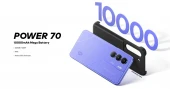
The itel Power 70’s battery and charging system set it apart even from many high-end phones by combining a 6000mAh cell with a customised back cover that stores up to 4000mAh charge, offering users the experience of having a 10000mAh giant battery.
At this price range, the vivo Y04 offers a 5500mAh battery, and the Xiaomi Redmi A5 4G offers a 5200mAh battery, which is less than the basic cell capacity of the itel Power 70.
Read more: Honor X9c Review: What’s special about this midrange smartphone
To cement its fame as one of the most energy-efficient phones in the low-budget segment, the itel Power 70 features a reverse charging system and an 18W fast charger. It takes around 6 to 7 hours to fully recharge a depleted phone. What’s more, the reverse-wired charging feature makes the itel Power 70 a more attractive deal.
Pros and Cons of the itel Power 70
Pros
- Sleek, premium-looking design with slim 7.98mm profile- 6.67" IPS LCD with 120Hz refresh- Decent brightness at 700 nits- 6000mAh battery with additional 4000mAh backup via custom back cover- Reverse charging support- 18W fast charging included- Android 14 with clean itel OS 14- Affordable pricing.
Read more: OnePlus 13 5G Review: Flagship Killer with high-end features
Cons
- Plastic build- Heavier than competitors at 200g- Outdated CPU architecture (Cortex-A53)- Single 13 MP rear camera- Display resolution is only HD+, not Full HD
Price of itel Power 70 in Bangladesh
The itel Power 70 is available in a single 6GB of RAM and 256GB of ROM variant in Bangladesh at BDT 10,990.
Conclusion
The itel Power 70 stands out as a strong, budget-friendly contender in the low-end smartphone market with a mix of modern design and long-lasting battery life. Its standout 6000mAh battery—expandable to a massive 10000mAh with a custom back cover—alongside a 120Hz refresh rate and clean Android 14 experience make it a smart pick for users prioritising endurance and daily usability over raw performance.
Read more: OPPO A5 Pro 4G Review: Can it fulfil the expectations?
While its camera setup and processing power may trail behind the likes of the Redmi A5 4G and vivo Y04, the Power 70 compensates with its unmatched battery innovation and generous storage offering at a competitive price. For users who want extended power, a smooth screen, and modern essentials on an entry-level smartphone, the itel Power 70 delivers real value.
1 year ago
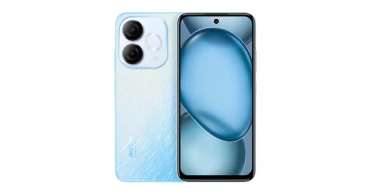
itel A80 Review: Smartphone under Tk 10k with Standard Features
The itel A80 was launched in September 2024. This phone aims to offer a balance between affordability and functionality. Let’s dive into the key specs, pros, cons and pricing of itel A80 in Bangladesh
Key Features of itel A80
.
Design and Build Quality
The itel A80 features a sleek and modern design with an 8.5 mm thickness, making it comfortable to hold. Available in Sandstone Black, Glacier White, and Wave Blue, the device offers a premium look despite its budget-friendly price. The polycarbonate back panel ensures durability, though it may attract fingerprints over time.
Compared to the itel A70, which has a slightly thicker 8.6 mm body, the A80 offers a refined build with a more contemporary appeal. When placed alongside the Lava Yuva Star and Honor X5b, the itel A80 stands out with its slightly slimmer profile. However, the Honor X5b, at 8.7 mm, offers a more premium feel due to its solid build and marginally heavier frame.
Read more: Honor X5b Review: Affordable Innovation or Budget Compromise?
Display Quality
The itel A80 sports a 6.7-inch IPS LCD with a 120Hz refresh rate, ensuring a smoother scrolling and gaming experience. The HD+ resolution (720 by 1600 pixels) delivers decent color reproduction and sharpness, though it does not match the clarity of Full HD+ displays seen in more expensive devices.
Compared to the itel A70, which has a 6.6-inch IPS LCD but lacks a high refresh rate, the A80 provides a significantly improved viewing experience. However, the Lava Yuva Star, with its slightly larger 6.75-inch display, and the Honor X5b, with a 6.56-inch TFT LCD but a higher peak brightness of 530 nits, provide competition. The itel A80’s 500 nits brightness is adequate for outdoor visibility but falls behind the Honor X5b.
Camera Performance
One of the standout features of the itel A80 is its 50 MP main camera, which surpasses the 13 MP sensor found in the itel A70. The high-resolution sensor allows for better detail and improved color accuracy in daylight conditions. However, low-light photography remains a challenge due to the lack of advanced image processing capabilities.
Read more: OnePlus Pad 2 Review: Is It Worth Buying?
The Lava Yuva Star and Honor X5b, both equipped with 13 MP cameras, fall short of the itel A80 in terms of raw resolution, though the Honor X5b benefits from a wider f/1.8 aperture for better low-light performance. The 8 MP selfie camera on the itel A80 is standard for this price segment, performing similarly to the selfie shooters found on competing devices.
Processor Performance
Under the hood, the itel A80 is powered by the Unisoc T603 chipset, the same processor found in the itel A70. This octa-core processor is sufficient for everyday tasks like browsing, social media, and light multitasking.
However, when compared to the Honor X5b, which features a more powerful MediaTek Helio G36 chipset, the A80 falls behind in processing power, particularly for demanding applications. The Lava Yuva Star, powered by the Unisoc SC9863A, also lags slightly behind in performance due to its older architecture.
Read more: Xiaomi Redmi Turbo 4 Review: Is It a Value-for-money Midranger?
The itel A80 can handle moderate usage with ease, power users might find it lacking in performance for more intensive tasks.
Gaming Performance
Gaming on the itel A80 is acceptable for casual gamers, with its 120Hz display providing smoother frame transitions. However, the Unisoc T603 chipset limits its ability to run high-end games at stable frame rates. Games like Subway Surfers and Candy Crush run smoothly, while more demanding titles like PUBG Mobile and Call of Duty: Mobile experience occasional frame drops and reduced graphics settings.
In comparison, the Honor X5b, with its MediaTek Helio G36 chipset, offers slightly better gaming performance. The Lava Yuva Star, on the other hand, struggles with heavier games due to its lower-end processor. While the itel A80 is a decent choice for light gaming, users looking for a more capable gaming phone should explore alternatives in the mid-range segment.
Read more: Honor Magic7 Pro Review: A Flagship Killer or Just Another Premium Phone?
1 year ago

Walton Orbit Y21 Review: Budget-friendly phone with a smart look
Walton, one of the best Bangladeshi brands, has been working to deliver quality smartphones. Walton’s Orbit series presents handsets at budget-friendly price points. The new Orbit Y21 also keeps its promise by offering great design and performance at an affordable price. The Orbit Y21 came to market in April 2023 and caught people’s attention. This review will go deeper into its specifications and other details.
Key Specs and Features of Walton Orbit Y21
Design
On first sight, the Orbit Y21 phone captivates with its pleasing shades. Available in three stunning color options, including Sea Blue, Field Green, and Midnight Green, the Orbit Y21 allows you to choose the hue that best complements your personal taste and reflects your unique personality.
Measuring 164.2 mm in height, 76 mm in width, and a mere 9.1 mm in depth, the Orbit Y21 boasts a sleek and slim profile that effortlessly fits into the palm of your hand. Its lightweight nature, weighing just 188g with the battery, ensures a comfortable and ergonomic grip, allowing you to carry it with ease throughout the day.
Read more: OnePlus Nord CE 3 Lite 5G Review: What’s special about it?
The thoughtful placement of the physical buttons adds to the device's user-friendly design. The fingerprint power button, located conveniently on the right side, enables secure access and doubles as volume control, providing quick and intuitive adjustment of audio levels. On the left side, you'll find the SIM card holder, allowing for easy access and hassle-free swapping of SIM cards.
The bottom of the phone houses a speaker, microphone, USB Type C port, and a 3.5mm headphone jack. This comprehensive arrangement ensures seamless connectivity and accessibility to essential audio features, allowing you to enjoy your favorite tunes or engage in crystal-clear conversations without any compromises.
3 years ago

OnePlus Nord CE 3 Lite 5G Review: What’s special about it?
OnePlus Technology, the subsidiary of OPPO, has steadily expanded to include midrange and budget devices in its product line. The Nord CE series were the perfect mid-range with the Lite being their budget offering. This year, the OnePlus Nord CE 3 Lite 5G was released on April 11 2023 in China with a subsequent global release. The CE 3 Lite successes the CE 2 Lite with some interesting developments. Let’s have a look.
Key Features of OnePlus Nord CE 3 Lite
Design and Build Quality
The OnePlus Nord CE 3 is a through-and-through budget device. The build material may reflect on that but rest assured, the CE 3 Lite is a well-built hefty device at 195 gm. The phone has a glass front, plastic frame, and back with a glossy finish to emulate the glass-back design. The front glass is protected by Corning Gorilla Glass.
The Nord CE 3 Lite moves away from the design elements of its predecessor, the CE 2 Lite. Instead of dual tone back with a separate camera housing, users will be getting a flush glossy back with two protruding camera sensors, much like the iPhone 12.
Read more: Redmi Note 12 Turbo Harry Potter Edition: Enter the Magical Wizarding World
However, the quirk is somewhere else. Users would be surprised to see that even though there are two camera cutouts on the back, the official spec sheet mentions triple camera setup. That is because one of the camera cutouts, specifically the bottom one, houses two camera sensors. It’s a unique design choice that helps to keep things minimal at the back.
Coming to ports and buttons, the volume rocker and the sim tray are situated on the left of the device with the power button being on the right. The power button also doubles as the fingerprint scanner on the Nord CE 3 Lite.
Being a budget device, the headphone jack is also present on the CE 3 Lite, right beside the Type C charging port. A single-firing speaker also finds its place at the bottom. The top of the device is flush with just the secondary noise cancellation mic for better call clarity.
Read More: Best MacBooks in Bangladesh: Which Apple Laptop Should You Buy?
Overall, the design is a slight move towards minimalism from the CE 2 Lite. Whether that is a good thing or bad remains subjective.
Display
The display on the Nord CE 3 Lite is an IPS LCD one. The choice of LCD panel is understandable given the budget it comes at. However, the lack of an AMOLED panel is somewhat made up by the 120 Hz refresh rate and FHD+ resolution. The panel boasts around 550 nits of typical brightness with 680 nits of HBM. Though these aren’t industry-leading stats in any way, it's still decent for its price.
Speaking of quality, the panel is exactly as you’d expect LCDs to be. The blacks aren’t deep black and there are some color shifts in extreme angles. Other than that, the smooth scrolling and accurate color recreation make for a compelling and interactive experience.
Read More: May 2023 New Releases: Top 7 Upcoming Smartphones
Camera
The Nord CE 3 Lite features three cameras on the back. The main camera is a whooping 108 MP one with the complementing two sensors being a 2 MP macro and depth sensor. It’s clear that the 108 MP sensor is the key player here as it will be doing all the heavy lifting.
3 years ago

Walton NEXG N6 Review: What’s special about the new series
Bangladeshi brand Walton has recently launched a new Smartphone N6 under its latest NEXG series. Walton NEXG N6 is a budget-friendly smartphone that packs a punch with its impressive features like a sleek design, large screen, powerful camera, standard battery, and attractive color options. However, can the latest NEXG series phone stack up against Walton’s popular Primo series phones? Is it worth the investment? Let’s find out the key specs, pros, cons, and price of the Walton NEXG N6.
Key Features of Walton NEXG N6
Design
The Walton NEXG N6 smartphone boasts a sleek and modern design with its slim profile and curved edges. Its dimensions (164.2 mm high, 76 mm width, and 8.55 mm depth), make the device compatible for one-handed use. Weighing 188g (with battery), N6 appears easy to carry.
The phone comes in two attractive colors, Bluish Green and Sky Grey, giving users the option to choose the one that suits their style. The unique and eye-catching shades set N6 apart from other local smartphones in the market.
Read More: Infinix Hot 30 Review: Budget-friendly phone with a smart design
The inclusion of a type c port and a microphone adds to the convenience of the device, making it easier to charge, use for calls, and record audio. The volume rocker and power button are intuitively placed for easy access, allowing users to adjust the volume or power on/off the device without hassle. The sim card holder is easily accessible, making it simple to switch out SIM cards if needed.
Display
The display of the Walton NEXG N6 smartphone is impressive, boasting a large 6.6-inch screen size that is perfect for streaming videos, browsing the web, and playing games. The V-Notch design provides an immersive viewing experience, allowing users to enjoy their content with minimal interruptions.
The display has a 720x1600 resolution. It’s certainly a downgrade from the competitor Walton Primo S8 Mini’s FHD resolution available at the same price range.
Read More: 5 Smartphones Around 15000 TK for Best Display, Gaming, Photography
However, N6’s screen is blessed with a 90 Hz refresh rate, which we haven’t seen in the Primo S8 Mini. A high refresh rate makes animations and transitions appear smoother and more fluid, providing a more enjoyable user experience in NEXG N6.
The 180Hz touch sampling rate is another impressive feature of the display, allowing for quick and accurate touch response. This is particularly useful when playing games that require fast reflexes or using apps that require precise touch input.
The display uses IPS INCELL technology with 2.5D glass, which provides excellent color accuracy and contrast, ensuring that images and videos appear vibrant and realistic. The 2.5D glass also adds a premium look and feel to the device.
Read More: Vivo V27e Review: Worth its price tag?
Performance and Software
The Walton NEXG N6 phone is running on Android™ 12 operating system with an Octa-Core processor clocked at 1.6GHz, built on the 12nm FinFET process and using ARM Cortex-A75 architecture. However, Walton fans will miss the Qualcomm Snapdragon 665 chipset offered in the Primo S8 Mini.
The latest N6 is equipped with Mali-G57 MP1 GPU for graphics processing.
This smartphone comes with 8GB of RAM for smooth multitasking and 128GB of internal storage for storing data. Additionally, the expandable storage of up to 256GB offers even more space for users to store their data.
Read More: realme C55 Review: A Promising Budget-friendly Phone
3 years ago

realme C55 Review: A Promising Budget-friendly Phone
The realme C55 is a budget-friendly smartphone offering satisfactory camera performance, a unique design, and decent overall functionality. The phone was officially launched in Bangladesh on April 2, 2023. Let's take a look at key specifications, pros, cons, and prices of relame C55 in Bangladesh.
Key Features of realme C55
Design
The realme C55 is a smartphone that boasts a 6.7-inch display with a screen protector applied during manufacturing, which is a nice added feature considering its affordable price range. It measures 165.6 x 75.9 x 7.89 mm or 6.51 x 2.98 x 0.31 inches and weighs 189.5 grams or 0.41 pounds, making it less ideal for individuals with small hands.
The ‘Rainy Night’ or black version has an elegant appearance, especially with the design of the camera system. The back of the phone is made of plastic, which tends to accumulate dust quickly and feels slippery. The phone's left side has only the SIM tray and the punching hole, while the right side has the Power button that doubles as a fingerprint scanner and the Volume rocker.
Read More: April 2023 New Release: Top 8 Upcoming Smartphones in Bangladesh
On the bottom edge holds a USB-Type C port for charging, a 3.5mm headphone jack, a speaker, and a microphone. Although it lacks Gorilla Glass for display protection and dust or water resistance, the realme C55's design gives an impression of a more expensive smartphone.
Display
The display of the realme smartphone is an economy model and uses a conventional IPS LCD. However, the 6.72-inch display is average, and the colors are easy on the eye. The IPS screen is even better than some newer models in 2023, except for the white color slightly darkening when tilted.
The screen's peak brightness is 680 nits, which is enough to use the phone outdoors on a sunny day. Interestingly, the minimum brightness is only 2 nits, making it perfect for nighttime use without disturbing others. The screen offers several color display modes, including Vivid, Natural mode, and Pro, with two more modes available in the latter for finer color reproduction.
Read More: Samsung Galaxy A54 5G Review: Worth the price tag?
The screen refresh rate is 90Hz, with three operating modes to choose from: standard 60Hz, 90Hz, and auto mode. However, the auto mode tends to use 60Hz more often, conserving battery life. The screen options include light/dark themes, screen color mode selection, vision protection, auto-rotate, auto-off, refresh rate selection, display/hide front camera cutout, and full-screen mode for non-optimized apps.
Camera
The realme C55 smartphone, despite being a budget device, manages to exceed expectations with its camera setup. It features a 64-megapixel primary rear camera and a 2-megapixel sensor. It also offers an 8MP selfie camera. Both the primary rear sensor and the front sensor perform well under broad daylight.
Switching to the 64 MP mode, there is a slight improvement in capturing details, which may not be noticeable at first glance but is apparent upon closer inspection. The Bokeh Flare Portrait mode and AI Color Portrait mode, however, tend to mess up the edges of the focused objects.
Read More: Vivo V27e Review: Worth its price tag?
3 years ago
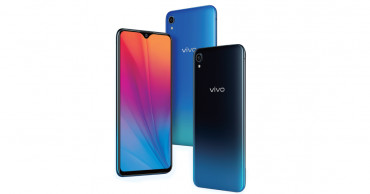
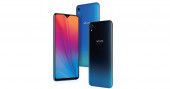
Vivo brings new budget-friendly phone Y91C 2020
Vivo, a Chinese multinational smartphone maker, has on Thursday unveiled a budget-friendly new smartphone - vivo Y91C 2020.
6 years ago