Presidential election
Govt takes narrow-minded approach to opposition’s participation in presidential election: Hamidur
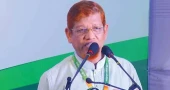
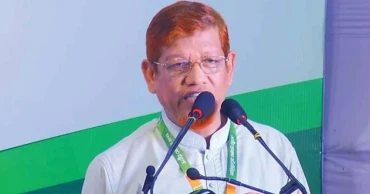
Bangladesh Jamaat-e-Islami Assistant Secretary General Dr AHM Hamidur Rahman Azad on Friday criticised what he described as the government's "narrow-minded" assessment of the opposition's participation in the presidential election.
In a statement, he said the government is viewing the opposition's participation through a politically “narrow-minded” perspective instead of assessing it from a liberal and democratic lens.
Referring to a recent remark by a cabinet member that the oath taken by opposition members to the Constitution Reform Council could no longer remain valid because they participated in the presidential election while retaining Article 70 of the Constitution, Hamidur questioned the logic behind the argument.
"If this argument is acceptable, then how can the oath taken as Members of Parliament remain valid? Because no parliamentary election was held through a constitutional process in 2026," he said.
He said their position is "very clear", adding that the opposition's participation in the presidential election was a symbolic protest against the limitations of the government's desired reform process and an effort to introduce a new form of democratic practice.
"We already knew what the outcome of the election would be. Even so, we participated to make our position clear to the people and strengthen the demand for democracy," the Jamaat leader said.
He said the people have once again realised why constitutional reform is essential to make democracy in Bangladesh effective, accountable and sustainable.
Hamidur urged the government not to interpret the opposition's participation in a narrow manner and instead understand its underlying democratic message.
"The government must respect the people's expectations by implementing the verdict of the referendum and taking effective initiatives for necessary constitutional reforms," he said.
"No government can run the state in the long term by ignoring the aspirations of the people," the Jamaat leader added.
28 days ago
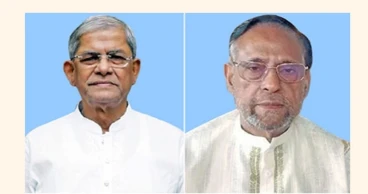
MPs to elect President today after 35 years
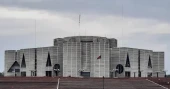
Voting in the presidential election is set to be held on Thursday after 35 years, with Members of Parliament to elect the country’s 23rd President through an open ballot.
The balloting will be held in the session chamber of the Jatiya Sangsad from 2pm to 5pm. A total of 349 MPs are eligible to cast their votes.
Bangabhaban is making preparations to arrange the oath-taking ceremony for the newly elected President on Friday evening.
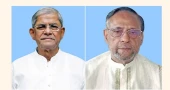
BNP candidate Mirza Fakhrul Islam Alamgir and opposition Jamaat-led 11-party alliance contender Col (retd) Oli Ahmad are contesting the election.
With BNP holding an absolute majority in Parliament, Mirza Fakhrul Islam Alamgir is widely expected to be elected as the country’s 23rd President.
Under Article 70 of the Constitution, lawmakers, elected as candidates of political parties, will lose their seats if they vote for any candidate in this presidential election, going against their respective party’s decision.
The last contested presidential election was held on October 8, 1991, when BNP candidate Abdur Rahman Biswas defeated Awami League candidate Badrul Haider Chowdhury to become the country’s 11th President.
Abdur Rahman Biswas secured 172 votes, while Badrul Haider Chowdhury received 92.
Since then, no voting was required in the successive presidential elections as a single candidate was elected uncontested in each election.
Addressing a pre-election press conference in the city’s Nirbachan Bhaban on Wednesday, Chief Election Commissioner AMM Nasir Uddin, expressed optimism that they will be able to conduct the polls in a nice manner. “We don't have any sort of deficit in our preparation,” he said.
The CEC said the election result will be published in the official gazette on Thursday, hours after the balloting.
Chief Whip Nurul Islam Moni on Wednesday also said Bangladesh is going to witness a historic moment with the voting in the presidential election on Thursday afternoon.
“We will vote in the presidential election on Thursday after 35 years, Inshallah. Voting will begin at 2pm and continue until 5pm,” he said.
He also said the oath-taking ceremony of the newly elected President is scheduled for Friday evening at Bangabhaban.
The Chief Whip came up with the announcement at a briefing after a meeting of the ruling BNP’s parliamentary party at the Jatiya Sangsad Bhaban on Wednesday afternoon.
BNP presidential candidate Mirza Fakhrul Islam Alamgir was also present at the meeting.
The Chief Whip said there will be live telecasts of parts of the voting process as per a joint decision taken by the Election Commission and Parliament.
He said a live telecast will begin five minutes before the start of voting, showing the President, the Speaker, the Prime Minister, the Leader of the Opposition, and presidential candidate Mirza Fakhrul Islam Alamgir casting their votes.
The remaining proceedings will be recorded, while another live telecast will begin five minutes before the close of voting. The announcement of the election results will also be broadcast live.
“You will see a historic moment tomorrow. A new journey of democracy will begin,” Moni said.
He said the newly elected President will take the oath of office at Bangabhaban at 7:30pm on Friday.
Speaking about the upcoming election, the Chief Whip said the country was entering a new democratic journey under the leadership of Tarique Rahman.
He said the presidential election would allow people to witness once again how voting takes place in the country.
The Election Commission on August 6 announced the schedule for the presidential election, fixing August 20 for voting.
Just before the balloting in Parliament on Thursday afternoon, the CEC will brief the lawmakers, the electors on the voting procedure.
Each ballot paper will have two parts — a counterfoil and the ballot portion. The counterfoil will contain three pieces of information and a blank space: the serial number, the name of the MP and the divisional number (constituency number) provided by the Jatiya Sangsad Secretariat.
An MP will sign his or her full name in the designated space before receiving the ballot paper.
The names of the contesting candidates will be printed on the right-hand side of the ballot paper in alphabetical order in Bangla. There will be a designated space beside each candidate’s name where MPs will sign their full names and cast their votes.
The MPs will then deposit their ballots into the designated ballot box. Ballots will be accepted until 5:00pm, after which counting will begin.
A total of 349 MPs are voters in the presidential election as the Chattogram-4 parliamentary seat remains vacant.
The voters include 247 BNP lawmakers, 77 Jamaat MPs, eight NCP lawmakers, eight independent MPs, three Bangladesh Khilafat Majlis MPs, and one each from Bangladesh Jatiya Party-BJP, Gono Odhikar Parishad, Ganosamhati Andolon, Khilafat Majlis, Islami Andolan Bangladesh and Jatiya Ganatantrik Party.
BJP, Gono Odhikar Parishad and Ganosamhati Andolon are allies of the ruling BNP. The ruling camp has 250 lawmakers who are expected to vote for Mirza Fakhrul Islam Alamgir in this presidential election.
On the other hand, Jamaat, NCP, Bangladesh Khilafat Majlis, Khilafat Majlis and Jatiya Ganatantrik Party are components of the 11-party opposition alliance. The opposition camp has 90 lawmakers in Parliament, who are expected to vote for Oli Ahmad.
On July 24 last, Mohammed Shahabuddin resigned as President and Speaker Hafiz Uddin Ahmad took charge as the acting President.
According to Article 123(2) of the Constitution, an election to fill the vacant office of the President must be held within 90 days of the post becoming vacant due to resignation.
30 days ago
Voting in presidential election Thursday
Voting in the presidential election is set to be held on Thursday after 35 years, with Members of Parliament to elect the country’s 23rd President through an open ballot.
The balloting will be held in the session chamber of the Jatiya Sangsad from 2pm to 5pm. A total of 349 MPs are eligible to cast their votes.
Bangabhaban is making preparations to arrange the oath-taking ceremony for the newly elected President on Friday evening.
BNP candidate Mirza Fakhrul Islam Alamgir and opposition Jamaat-led 11-party alliance contender Col (retd) Oli Ahmad are contesting the election.
With BNP holding an absolute majority in Parliament, Mirza Fakhrul Islam Alamgir is widely expected to be elected as the country’s 23rd President.
Under Article 70 of the Constitution, lawmakers, elected as candidates of political parties, will lose their seats if they vote for any candidate in this presidential election, going against their respective party’s decision.
The last contested presidential election was held on October 8, 1991, when BNP candidate Abdur Rahman Biswas defeated Awami League candidate Badrul Haider Chowdhury to become the country’s 11th President.
Abdur Rahman Biswas secured 172 votes, while Badrul Haider Chowdhury received 92.
Since then, no voting was required in the successive presidential elections as a single candidate was elected uncontested in each election.
Chief Election Commissioner AMM Nasir Uddin, who is also the election officer for the presidential election, on Wednesday described the election as historic as it requires voting after 35 years since the competitive presidential polls in 1991.
Addressing a pre-election press conference in the city’s Nirbachan Bhaban, he also expressed optimism that they will be able to conduct the polls in a nice manner. “We don't have any sort of deficit in our preparation,” he said.
The CEC said the election result will be published in the official gazette on Thursday, hours after the balloting.
Chief Whip Nurul Islam Moni on Wednesday also said Bangladesh is going to witness a historic moment with the voting in the presidential election on Thursday afternoon.
“We will vote in the presidential election on Thursday after 35 years, Inshallah. Voting will begin at 2pm and continue until 5pm,” he said.
He also said the oath-taking ceremony of the newly elected President is scheduled for Friday evening at Bangabhaban.
The Chief Whip came up with the announcement at a briefing after a meeting of the ruling BNP’s parliamentary party at the Jatiya Sangsad Bhaban on Wednesday afternoon.
The BNP parliamentary party meeting began at 4pm on the ninth floor of the Jatiya Sangsad Bhaban with Prime Minister and Leader of the House Tarique Rahman in the chair and ended at 4:40pm.
BNP presidential candidate Mirza Fakhrul Islam Alamgir was also present at the meeting.
The Chief Whip said there will be live telecasts of parts of the voting process as per a joint decision taken by the Election Commission and Parliament.
He said a live telecast will begin five minutes before the start of voting, showing the President, the Speaker, the Prime Minister, the Leader of the Opposition, and presidential candidate Mirza Fakhrul Islam Alamgir casting their votes.
The remaining proceedings will be recorded, while another live telecast will begin five minutes before the close of voting. The announcement of the election results will also be broadcast live.
“You will see a historic moment tomorrow. A new journey of democracy will begin,” Moni said.
He said the newly elected President will take the oath of office at Bangabhaban at 7:30pm on Friday.
Speaking about the upcoming election, the Chief Whip said the country was entering a new democratic journey under the leadership of Tarique Rahman.
He said the presidential election would allow people to witness once again how voting takes place in the country.
The Election Commission on August 6 announced the schedule for the presidential election, fixing August 20 for voting.
Just before the balloting in Parliament on Thursday afternoon, the CEC will brief the lawmakers, the electors on the voting procedure.
Each ballot paper will have two parts — a counterfoil and the ballot portion. The counterfoil will contain three pieces of information and a blank space: the serial number, the name of the MP and the divisional number (constituency number) provided by the Jatiya Sangsad Secretariat.
An MP will sign his or her full name in the designated space before receiving the ballot paper.
The names of the contesting candidates will be printed on the right-hand side of the ballot paper in alphabetical order in Bangla. There will be a designated space beside each candidate’s name where MPs will sign their full names and cast their votes.
The MPs will then deposit their ballots into the designated ballot box. Ballots will be accepted until 5:00pm, after which counting will begin.
A total of 349 MPs are voters in the presidential election as the Chattogram-4 parliamentary seat remains vacant.
The voters include 247 BNP lawmakers, 77 Jamaat MPs, eight NCP lawmakers, eight independent MPs, three Bangladesh Khilafat Majlis MPs, and one each from Bangladesh Jatiya Party-BJP, Gono Odhikar Parishad, Ganosamhati Andolon, Khilafat Majlis, Islami Andolan Bangladesh and Jatiya Ganatantrik Party.
BJP, Gono Odhikar Parishad and Ganosamhati Andolon are allies of the ruling BNP. The ruling camp has 250 lawmakers who are expected to vote for Mirza Fakhrul Islam Alamgir in this presidential election.
On the other hand, Jamaat, NCP, Bangladesh Khilafat Majlis, Khilafat Majlis and Jatiya Ganatantrik Party are components of the 11-party opposition alliance. The opposition camp has 90 lawmakers in Parliament, who are expected to vote for Oli Ahmad.
On July 24 last, Mohammed Shahabuddin resigned as President and Speaker Hafiz Uddin Ahmad took charge as the acting President.
According to Article 123(2) of the Constitution, an election to fill the vacant office of the President must be held within 90 days of the post becoming vacant due to resignation.
30 days ago
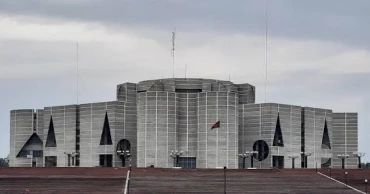
BNP MPs meet ahead of presidential election
Members of Parliament from the ruling BNP on Wednesday sat for a meeting ahead of Thursday’s presidential election.
The meeting of the BNP parliamentary party began at 4pm on the ninth floor of the Jatiya Sangsad Bhaban with Prime Minister and Leader of the House Tarique Rahman in the chair, said Prime Minister’s Deputy Press Secretary Jahidul Islam Rony.
Minister Mirza Fakhrul Islam Alamgir, LGRD Minister and the ruling party’s candidate for the presidency, was also present at the meeting.
Voting to elect Bangladesh’s 23rd President will be held in the Parliament Chamber on Thursday from 2pm to 5pm.
A presidential election featuring more than one candidate is being held for the first time in 35 years.
Mirza Fakhrul, nominated by the BNP and like-minded parties, is contesting the election against retired Colonel Oli Ahmed, the candidate of 11-party alliance led by Jamaat-e-Islami.
A total of 349 Members of Parliament are eligible to vote in the election.
The last presidential election involving a vote in Parliament was held on October 8, 1991.
BNP candidate Abdur Rahman Biswas defeated Awami League candidate Badrul Haider Chowdhury to become the country’s 11th President.
Abdur Rahman Biswas secured 172 votes, while Badrul Haider Chowdhury received 92.
30 days ago
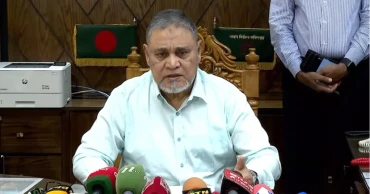
No deficit in preparation for Thursday’s Presidential election: CEC
Describing the Presidential election as a historic one, Chief Election Commissioner AMM Nasir Uddin on Wednesday expressed optimism that they will be able to conduct the polls in a nice manner.
“We don't have any sort of deficit in our preparation,” he said at a press conference in the city's Nirbachan Bhaban, a day before the balloting scheduled to be held Thursday.
“We expect we will be able to conduct this historical election in a nice manner,” he said.
Nasir Uddin said the election result will be published in the official gazette on Thursday, hours after the balloting.
The voting will be held in the session chamber of the Jatiya Sangsad from 2pm to 5pm on Thursday.
BNP candidate Mirza Fakhrul Islam Alamgir and the opposition Jamaat-led 11-party alliance contender Col (retd) Oli Ahmad are running in the election.
A total of 249 Members of Parliament are eligible to cast their votes.
With BNP holding an absolute majority in parliament, Mirza Fakhrul Islam Alamgir is widely expected to be elected as the country’s 23rd President.
The voting is being required in the presidential election after nearly 35 years since 1991 in the country.
1 month ago
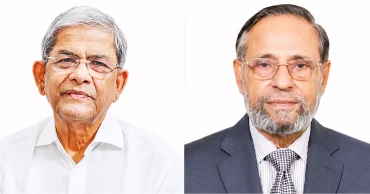
Presidential election: Mirza Fakhrul, Oli Ahmad formally enter the race
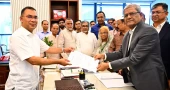
The ruling BNP and the 11-party opposition alliance, led by Bangladesh Jamaat-e-Islami, submitted nomination papers for their respective candidates to the Chief Election Commissioner (CEC) on Thursday for the presidential election slated for August 20.
BNP filed a nomination paper for its candidate Mirza Fakhrul Islam Alamgir, while the 11-party combine submitted two nomination papers for its candidate Col (retd) Oli Ahmad.
A BNP delegation, led by its Standing Committee member Dr Abdul Moyeen Khan, submitted the nomination paper to CEC AMM Nasir Uddin, who is serving as the returning officer of the presidential election, in the Nirbachan Bhaban at 2:24pm.
In the nomination paper, Moyeen Khan is the proposer of Mirza Fakhrul while Gayeshwar Chandra Roy is the seconder.
As BNP has an absolute majority in Parliament, Mirza Fakhrul is widely expected to be elected by the MPs in the race for Bangabhaban, the President’s official residence and office.
Earlier, BNP announced party's Secretary General and Local Government, Rural Development and Co-operatives Minister Mirza Fakhrul as its presidential candidate.
The announcement came after a high-level meeting of the party with its Chairman and Prime Minister Tarique Rahman.
Meanwhile, Mirza Fakhrul resigned from the post of BNP secretary general and the party's Standing Committee.
The delegation members include BNP Standing Committee member Gayeshwar Chandra Roy, Chief Whip Nurul Islam Moni, BNP Senior Joint Secretary General Ruhul Kabir Rizvi, Water Resources Minister Shahiduddin Chowdhury Anee, whips Miah Nuruddin Ahmed Apu, GK Gouse, ABM Ashraf Uddin (Nizan), Rakibul Islam and Akhtaruzzaman Miah, BNP joint secretaries general Habib Un-Nabi Khan Sohel and Abdus Salam Azad.
Meanwhile, two separate delegations of the 11-party alliance submitted as many nomination papers for its presidential candidate Oli Ahmad to the CEC.
In the first nomination paper, Jamaat Ameer Dr Shafiqur Rahman proposed Oli Ahmad as the presidential candidate, while National Citizen Party (NCP) lawmaker Abdullah Al Amin seconded the proposal.
In the second nomination paper, NCP lawmaker Mahmuda Alam Mitu is the proposer while Jamaat lawmaker Abdul Baten is the seconder.
EC Senior Secretary Akhtar Ahmed later confirmed that three nomination papers were submitted for the presidential election – one for Mirza Fakhrul and two for Oli Ahmad.
Addressing a press briefing after the deadline for submission of nomination papers expired, he said the nomination papers will be scrutinised from 10am on August 16, with a representative from the Parliament Secretariat present to verify the signatures of the candidates’ proposers and seconders.
Replying to a question over two nomination papers filed for Oli Ahmad, the EC secretary said, “We will scrutinise them. If the first one is rejected, we will scrutinise the second one.”
After submitting Mirza Fakhrul’s nomination paper, BNP leader Gayeshwar Chandra Roy welcomed the participation of the 11-party alliance in the presidential election.
“We welcome them. This is by no means an election merely to fulfil a formality. What is supposed to happen under the Constitution and the RPO is happening. Everything is being done by following the rules,” he said.
Chief Whip Nurul Islam said, “The beauty of democracy is that we are contesting and being elected.”
He said the current Parliament was formed through a neutral election after 17 years of movement and BNP Chairman and Prime Minister Tarique Rahman is working to fulfil the expectations of the people.
Following the submission of the first nomination paper, Jamaat leader AHM Hamidur Rahman Azad said the 11-party alliance is contesting the presidential election despite lacking a majority in Parliament in order to uphold the “beauty of democracy” and restore democratic practices to the right track. “We want to create a new trend in democratic practice in Bangladesh,” he said.
“This is not about whether we will win or lose. We do not want any election to be held without contest. That is the beauty of democracy. We have taken this decision to restore democracy to the right track,” he added.
Describing Oli Ahmad as a decorated freedom fighter, Azad said he is a nationally respected figure who has remained above controversy and made significant contributions to the country over a long period.
“The nation is viewing this positively and appreciating the decision of our 11-party alliance,” he said.
However, the Jamaat leader said constitutional provisions (Article 70 of the Constitution that bars MPs to cross the floor) has created an obstacle to democratic practice in the presidential election.
Under Article 70 of the Constitution, lawmakers cannot vote against their party’s decision.
The 11-party alliance delegation members include Jamaat MPs Nurul Islam Bulbul, Nazibur Rahman and Mardia Momtaz, NCP Chief Coordinator Nasiruddin Patwary, NCP MPs Abdullah Al Amin and Mahmuda, Labour Party Chairman Mostafizur Rahman Iran and Jatiya Ganatantrik Party Vice-President Rashed Pradhan.
The EC on August 6 announced the schedule for the presidential election, fixing August 20 for voting.
The CEC convened a meeting of the Members of Parliament (MPs) at the session chamber of the Jatiya Sangsad Bhaban for voting from 2:00pm to 5:00pm on August 20.
According to the election schedule, the last date for withdrawal of candidature is August 18.
A total of 349 MPs are voters in the presidential election as the Chattogram-4 parliamentary seat remains vacant.
The voters include 247 BNP lawmakers, 77 Jamaat MPs, eight NCP lawmakers, eight independent MPs, three Bangladesh Khilafat Majlis MPs, and one each from Bangladesh Jatiya Party-BJP, Gono Odhikar Parishad, Ganosamhati Andolon, Khilafat Majlis, Islami Andolan Bangladesh and Jatiya Ganatantrik Party.
Four parliamentary parties – Jamaat, NCP, Bangladesh Khilafat Majlis and Jatiya Ganatantrik Party – are the components of the 11-party alliance, giving the coalition a combined strength of 89 votes.
This will be the first presidential election in 35 years, which is going to involve more than one candidate. So, the voting is set to be held in the presidential election after 1991.
On July 24 last, Mohammed Shahabuddin resigned as President and Speaker Hafiz Uddin Ahmad took charge as the acting President.
According to Article 123(2) of the Constitution, an election to fill the vacant office of the President must be held within 90 days of the post becoming vacant due to resignation.
1 month ago
Fakhrul nominated as BNP’s presidential candidate
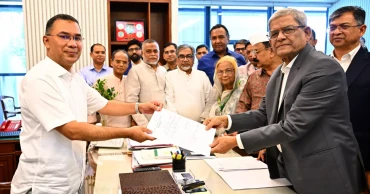
BNP Chairman and Prime Minister Tarique Rahman on Thursday nominated party Secretary General Mirza Fakhrul Islam Alamgir as the BNP’s candidate for the presidential election.
Tarique announced his decision at the beginning of a meeting with the party’s Standing Committee members and senior leaders at the Prime Minister’s Office at secretariat.
“On behalf of the BNP, I am pleased to announce that BNP Secretary General Mirza Fakhrul Islam Alamgir has been nominated as the party’s presidential candidate,” BNP Senior Joint Secretary General Ruhul Kabir Rizvi told reporters coming out of the meeting.
Prime Minister Tarique Rahman handed over the nomination paper to Fakhrul.
PM Tarique announces Mirza Fakhrul as BNP’s presidential candidate
1 month ago
MPs can’t vote beyond party decision in presidential election: Chief Whip
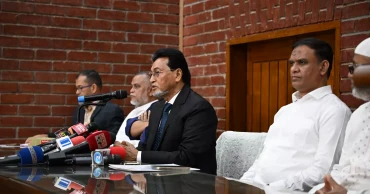
Chief Whip of Parliament Nurul Islam Moni on Tuesday said members of parliament will not be able to vote in the presidential election, slated for August 20, against their party's decision as Article 70 of the Constitution remains unchanged.
“As Article 70 of the Constitution has not been amended, it will remain effective. No one will be able to vote beyond the party's decision. If anyone does so, their membership of Parliament will be cancelled,” he said at a press briefing at the Media Centre of Parliament after the 2026 presidential election preparatory meeting held at the Cabinet Room of Parliament.
Acting Speaker Barrister Kayser Kamal chaired the preparatory meeting. Opposition Chief Whip Nahid Islam and Whips Md G K Gouse, Rakibul Islam Bakul, Mia Nuruddin Ahmed Apu, Md Akhtaruzzaman Mia and A B M Ashraf Uddin Nizan also attended the meeting.
Speaking at the meeting, Acting Speaker Kayser Kamal said the state structure must be freed from fascism in all spheres.
“The 2026 presidential election is going to be held at a historic moment in building a fascism-free Bangladesh,” he said
During the meeting, all necessary preparations, including the use of the Jatiya Sangsad chamber for holding the 2026 presidential election, all necessary logistical support and ensuring the attendance of Members of Parliament, were discussed.
The meeting also instructed completing all necessary preparations and providing logistical support for the election.
According to the election schedule announced by the Election Commission, the 2026 presidential election will be held in the Parliament chamber on Thursday, August 20.
The Chief Election Commissioner will conduct the election as the return officer in line with the Presidential Election Act, 1991.
EC Senior Secretary Akhtar Ahmed, Parliament Secretary Golam Sorwar Bhuiyan and other senior officials concerned of the Parliament Secretariat were present at the meeting.
At the press conference, Chief Whip Nurul Islam said the BNP's candidate for the presidential election has not yet been finalised.
“The party has entrusted the Prime Minister with the responsibility of finalising the candidate. He will announce the candidate,” he said.
He said the opposition has already nominated a candidate and the meeting was held to ensure a fair election.
“According to the election schedule, voting will be held in the Parliament chamber from 2pm to 5pm on August 20,” he said.
Nurul Islam said the voting will take place inside Parliament and a ballot box will be placed there. Members of Parliament will cast their votes according to their division and seat number, he added.
He said preparations would be made to declare the result before the scheduled closing time if all 349 votes are cast within the first hour of voting. If it is found that one vote remains, it will wait until 5pm. After 5pm, the result will be announced, he said.
The Chief Whip said the voting of the (Acting) President, Leader of the House, Leader of the Opposition and (Acting) Speaker would be broadcast live. After voting is completed, the counting of votes and the process leading to the declaration of the result may also be broadcast live, he said.
Opposition Chief Whip Nahid Islam said the presidential election should have been held in accordance with the “July Charter” to intensify acceptance and dignity of an elected president.
As the election was being held anyway, the opposition did not want to allow it to take place without a contest, he said.
About Col (Retd) Oli Ahmed whom the opposition alliance declared as the presidential aspirant, Nahid Islam said, “We believe that our candidate will be the most acceptable guardian of Bangladesh at this time.”
If the July charter is implemented, members of Parliament would be able to express their views freely in all matters except money bills and confidence votes under Article 70. But the BNP had proposed adding two more issues to the exceptions — ‘constitutional amendments’ and ‘national security during war situations.
1 month ago

BNP collects two nomination forms for presidential election
The ruling BNP on Sunday collected two nomination forms for the upcoming presidential election.
BNP Senior Joint Secretary General Ruhul Kabir Rizvi and Chief Whip Nurul Islam Moni collected the forms from the Returning Officer’s office in the Nirbachan Bhaban in Agargaon.
Speaking to the media, Moni said they collected two forms for the same candidate to avoid any mistakes or omissions in the nomination process.
“We have taken the forms for one person, but collected two so that there is no error or omission. The forms have not been collected in anyone’s name,” he said.
The chief whip said the party will submit the nomination papers according to the election schedule.
In 2023, the then ruling Awami League also collected two nomination forms for the presidential election. Two nomination papers were submitted in the name of then presidential candidate Mohammed Shahabuddin, with one being declared valid and the other automatically cancelled.
There is no restriction on collecting or submitting more than one nomination paper for a single candidate.
Earlier on August 6, the EC announced the schedule for the presidential election, setting August 20 as the voting date, following the resignation of Shahabuddin as President on July 24.
According to the schedule, nomination papers can be submitted from 10:00am to 4:00pm on August 13, while scrutiny of the nomination papers will be held on August 16. The last date for withdrawal of candidature is August 18.
If there is more than one candidate, voting will be held from 2:00pm to 5:00pm on August 20 in the Jatiya Sangsad Bhaban.
The 11-party alliance, led by Bangladesh Jamaat-e-Islami, has already announced that it will field a candidate for the presidential election. On Sunday, it chose Liberal Democratic Party (LDP) Chairman Col (retd) Oli Ahmad as its presidential election candidate.
If the contest takes place, it will be the first presidential election involving more than one candidate since 1991, when the parliamentary system was restored.
In the 1991 election, BNP candidate Abdur Rahman Biswas defeated Awami League candidate Badrul Haider Chowdhury. In subsequent presidential elections, candidates nominated by the ruling parties were elected unopposed.
As the President is elected by Members of Parliament, the BNP candidate is expected to secure victory due to the party’s single majority in Parliament.
Article 70 of the Constitution prevents lawmakers from voting against their respective political parties in Parliament.
If Parliament is not in session, Chief Election Commissioner AMM Nasir Uddin will convene a one-day sitting in consultation with the Speaker.
If more than one candidate remains in the race, the CEC will convene the sitting seven days before the scheduled polling date. The sitting, however, will not be considered a regular parliamentary session.
1 month ago

Presidential election on Aug 20 as EC announces schedule
The Election Commission (EC) on Thursday announced the schedule for the presidential election, with voting set to take place on August 20.
EC Senior Secretary Akhtar Ahmed announced the schedule at a press conference at Nirbachan Bhaban in the capital in the afternoon.
According to the schedule, nomination papers will be submitted from 10:00am to 4:00pm on August 13. Scrutiny of nomination papers will be held on August 16, while the last date for withdrawal of candidature is August 18.
Voting will take place from 2:00pm to 5:00pm on August 20 in the session chamber of the Jatiya Sangsad.
Chief Election Commissioner AMM Nasir Uddin is the returning officer of the presidential election.
Earlier, the EC received the voter list for the presidential election from the Parliament Secretariat following its request. The voting will not be held in case of a single candidate.
On July 24 last, Mohammed Shahabuddin resigned as President and Speaker Hafiz Uddin Ahmad took charge as the acting president .
The EC, led by Chief Election Commissioner AMM Nasir Uddin, held a meeting with acting Speaker Barrister Kayser Kamal on July 28 in line with the Presidential Election Act, 1991, which obliges the Commission to consult with the Speaker before the announcement of the schedule for the presidential election.
According to Article 123(2) of the Constitution, an election to fill the vacant office of the President must be held within 90 days of the post becoming vacant due to resignation.
1 month ago