Summer
Power sector tops govt priority as summer test looms
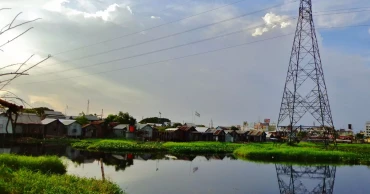
The Power Division has prioritised the energy sector as a key focus area as it moves to meet the country’s rising electricity demand in summer amid growing global uncertainties.
The country currently has a total installed power generation capacity of 32,332 MW, including 28,919 MW from grid-based sources, while daily demand stands at around 14,500-15,000 MW, according to an official document.
However, as the sweltering heat of summer approaches, the stability of the national grid faces a complex set of challenges.
Despite having sufficient capacity to meet existing demand, the national grid is expected to come under pressure during the peak summer months, when consumption surges and localised outages become more frequent.
These disruptions are largely driven by maintenance requirements, storm damage, and infrastructure limitations in the transmission and distribution networks.
A significant hurdle remains the supply of primary fuel. The global energy market has become increasingly volatile due to the ongoing conflict in the Middle East, which has complicated the procurement and pricing of energy resources.
This international instability trickles down to the local level, making it difficult at times to sustain full supply during the highest consumption hours.
In response, the Power Division is implementing a 180-day action plan aligned with the government's election manifesto.
This strategy includes diversifying energy sources with a heavy emphasis on renewable energy and coordinating infrastructure development with new generation projects.
Beyond technical solutions, the government is focusing on-demand side management. Efforts include holiday staggering for industries and public awareness campaigns through leaflets and videos to encourage energy conservation.
By combining short, medium, and long-term planning with intensive project supervision, the Power Division aims to navigate the current global energy crisis while ensuring that the lights stay on for citizens throughout the rising summer temperatures.
According to the official document, the government has taken steps to increase power generation in line with the increase in power demand.
These included taking the power sector as the highest priority sector, diversifying energy sources for power generation, ensuring primary energy supply for power generation and formulating a 180-day action plan in light of the government's election manifesto.
It has also taken steps for formulating and implementing short, medium and long-term plans for power generation, construction/development of transmission and distribution infrastructure in coordination with power generation, campaigning (leaflets, videos) to increase consumer awareness on energy conservation, holiday staggering and demand side and supply side management, etc, and giving importance to power generation from renewable energy.
The Power Division has also taken steps for ensuring necessary financing for the power sector in the annual development programme and timely implementation of power projects through intensive supervision and quickly identifying and resolving problems in project implementation.
5 months ago

Fitness coach shares 16-point plan to lose 14 Kg in three months
With summer around the corner, many are looking to shed extra fat and get in shape. Fitness coach Dan Go, drawing on over 20 years of experience, has shared a 16-point plan that he says could help people lose up to 14 kg (around 30 pounds) in three months through simple diet and lifestyle changes.
Key recommendations include stopping food intake three to five hours before bed to improve sleep and control hunger, and setting a fixed daily calorie intake by multiplying body weight by 12. Protein intake is also important, with a daily requirement calculated as body weight multiplied by seven.
Dan Go suggests including foods such as Greek yoghurt, lean meats, fatty fish, eggs, leafy greens, potatoes, beans, berries, and other high-fibre fruits and vegetables. Meal frequency should be limited to two to three times a day, with a structured schedule: the first meal 1–2 hours after waking, the second meal in between, and the last meal several hours before bedtime.
Hydration, strength training three times a week, walking 8,000–10,000 steps daily, and prioritising quality sleep are also highlighted. He advises following a consistent sleep routine, tracking progress through weight, waistline, workouts, and nutrition, keeping a transformation journal, and avoiding alcohol during this period.
“Losing 30 pounds by summer is achievable, but the real win is feeling energetic, confident, and healthy,” Dan Go said. He stressed that this plan offers general guidance and is not a substitute for professional medical advice.
With inputs from NDTV
6 months ago
Top 10 Peaceful Eid Summer Escapes in Bangladesh
Travelling during the summer in Bangladesh often comes with a major challenge: the persistent heat wave. Scorching temperatures, humidity, and overcrowded destinations make conventional holiday plans uncomfortable and exhausting. Amid such conditions, the need for cooler travel destinations becomes essential, especially during Eid vacation, when relaxation is a priority. Quiet retreats surrounded by greenery, water, or hill breezes offer a welcome break from the sweltering weather and festive rush. Let’s explore 10 peaceful Eid summer escapes across Bangladesh that offer both comfort and tranquillity.
10 Summer Getaways in Bangladesh for the Eid Celebration
.
Hill of China Clay, Netrokona
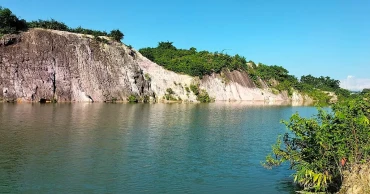
Tucked away in Bijoypur, Durgapur, in the Netrokona District, ‘China Matir Pahar’ presents a rare geological charm in the northern part of Bangladesh. Positioned close to the Meghalayan border, the area offers scenic glimpses of distant Indian hills, enriching the visual appeal of the terrain.
The hills themselves are modest in height but carry a distinct sense of adventure. Climbing to the top rewards visitors with a quiet, elevated view, simple yet striking. Nearby, the Blue Water Lake gently mirrors the surrounding slopes, its still waters tinted with a soft, soothing blue that adds to the tranquil setting.
Read more: Wales’s Stream in the Sky: World’s Tallest Navigable Aqueduct Pontcysyllte
Unlike other Eid destinations, this retreat remains largely untouched by crowds, making it ideal for a peaceful holiday escape. It's well-suited for a single-day outing, with a timely return before nightfall. Regular train and bus services leaving Dhaka ensure convenient access, with train travel offering a more economical choice.
New Zealand Para, Khagrachari
A village called ‘Pankhaiya Para’ lies just within one and a half kilometres from the Khagrachari district headquarters. It blends seamlessly with parts of nearby Perachhara, creating what locals fondly refer to as ‘New Zealand Para.’ The road linking the two villages carries the fitting name New Zealand Road.
This area presents the district’s sole stretch of true plain land, yet it rests in graceful harmony with surrounding emerald hills. Croplands ripple toward the horizon, while distant waterfalls and a murmuring river animate the scene. White clouds drift across a cobalt sky, and newly built homesteads nestle between slopes. They complete a panorama reminiscent of the South Pacific countryside.
Khagrachari can be reached directly by bus from Dhaka. From the town centre, a short ride by CNG or auto-rickshaw can take visitors to the New Zealand Para. The celebrated Hazachhara waterfall lies close at hand and may be added to the same day’s excursion.
Read more: Smiling Quokka Turned Rottnest Island into a Global Tourist Hotspot
Niladri Lake, Sunamganj
Sunamganj offers a magical combination of rewarding sights. Among these, Niladri Lake in Tekerghat, Tahirpur Upazila, stands out as a priority destination. Also known as Shaheed Siraj Lake, it captivates with still waters, scattered stone beds, and glimpses of Meghalaya’s hills on the horizon.
Located close to the renowned Tanguar Haor, many visitors combine both sites into one seamless trip. The natural symmetry between the lake, hills, and haor creates a tranquil experience.
Reaching the location is straightforward. A direct bus journey from the capital to Sunamganj and a short autorickshaw ride complete the journey to Niladri Lake.
Boga Lake and Sangu River, Bandarban
Tucked into the hills of Bandarban, both Boga Lake and the Sangu River present landscapes that blend silence with spectacle. Sangu, with its ever-winding course through dense green hills, offers one of the most captivating river journeys in the country. A boat ride across its glassy surface feels almost surreal, as if chasing a hill that never arrives.
Read more: UNESCO World Heritage Sites in Bangladesh
Boga Lake, resting at 1,246 feet above sea level, contrasts with its stillness and myth. Encircled by deep green highlands, the lake draws attention not just for its beauty but also for local legends surrounding a mythical dragon. Reaching this remote lake involves a rugged ride on a 'Chander Gari.'
Cottages near Boga Lake offer lodging options, making overnight stays feasible. A lakeside barbecue amid the hills is a popular Eid activity. For those seeking more, a trek to Keokradong, one of Bangladesh’s highest peaks, awaits, provided time and stamina align.
Bichnakandi, Sylhet
Gowainghat's Bichnakandi presents a spellbinding travel destination, located about 40 km from Sylhet City. Here cascading waters meet rocky riverbeds in a serene embrace. One stream flows from the base of India’s Khasi Hills into the Piain River, while another has carved its own natural course. Small river islands, dotted with houses, add an ethereal layer to the already surreal landscape.
Distant mountains seem to shield this little paradise, enhancing its seclusion. Passing through the Sylhet Airport Road bypass, you can reach Hadarpar within about two and a half hours. A one-hour boat ride from there leads to Bichnakandi. To experience the area in full, nearby sites like Barahil, Panthumai Falls, and Lakshanachara are worth including.
Read more: City Guide to Bangkok, Thailand for Bangladeshis
Khoiyachora Falls, Mirsharai
Hidden deep within the folds of Mirsharai, Khoiyachora Waterfall flows through nine distinct cascades, each echoing its rhythm. The sound of rushing water reaches as far as Thakurda Dighi, while the journey leading to it unfolds like a living landscape. The enthralling village trails, narrow bamboo bridges, and forest-carved paths will gradually lead you upward across four hills.
Every step forward feels like stepping away from the noise of modernity. The soothing murmur of water blending with chirping cicadas and rustling leaves can remove your stress from routined life. Bathing beneath the falls offers a sense of renewal, while a night in a tent under firefly light and full moon glow will leave lasting impressions in the travellers' minds.
Access begins with a bus from Dhaka to Chittagong, getting off at Baratakia Bazar near Khoiyachora Ideal School. Alternatively, intercity trains can drop travellers at Feni station. From Mahipal, local buses take visitors to the school, where a CNG ride marks the final approach to Jhiri, the beginning of the trek.
Read more: City Guide to Kathmandu, Nepal for Bangladeshis
Tea Garden and Lawachhara, Moulvibazar
Sreemangal and Kamalganj Upazilas hold a distinct charm, enriched by the Manipuri community and their traditions. Nature and heritage seamlessly coexist here.
Kamalganj, a tourism hotspot, houses Lawachhara National Park, one of Bangladesh’s few evergreen forest reserves. Its wild trails lead to the remote Hamham waterfall, while the tranquil Madhabpur Lake and Adampur forest showcase the region’s biodiversity.
The surrounding region boasts Hakaluki Haor, Madhabkunda Falls, Baikkabil bird sanctuary, Gagan Thila, and the floating village of Antehari. From tea gardens in Mathiura to the iconic seven-layer tea in Sreemangal, the area is layered in diversity.
Travellers can reach Sreemangal by bus or train originating in Dhaka. From there, Kamalganj is accessible via local transport.
Kaptai Lake in Rangamati
As the largest man-made lake in South Asia, Kaptai Lake appears like a stretch of sky trapped in water. Surrounded by green hills and dotted with waterfalls, the lake offers quiet grandeur.
Read more: Safety Precautions for Traveling on Buses or Public Transport at Night
A boat ride across its vast expanse becomes a meditative experience. With nothing but sky above and deep green below, the stillness feels infinite. The famed suspension bridge and the cascading Shuvolong waterfall mark its signature sights.
After reaching Chittagong from Dhaka, travellers can take a Kaptai-bound bus from Baddarhat Bus Stand to reach Rangamati.
Chalan Beel, Natore
Spanning parts of Natore, Sirajganj, and Pabna, Chalan Beel stands as Bangladesh’s largest pond (beel). It is a combination of small wetlands that merge into one vast sheet during the monsoon. The true beauty of this wetland emerges during the rainy season.
The journey begins in the heart of the capital, with a Rajshahi-bound bus best exited at Kachikata in Natore. From there, Khubjipur village near Chachkoir Bazar offers the most vivid view of this sprawling beel. The Chalan Beel Museum, located nearby, adds context to the region’s ecological and cultural depth.
Read more: Top Reasons Why London Is Tripadvisor's Best Travel Destination for 2025
Don't miss Natore’s signature Kachgolla. Here you can experience an exclusive local sweet treat and create an unforgettable memory.
Nikli Haor, Kishoreganj
Scattered settlements resemble floating islands, while boat rides reveal scenes of fishing nets, shimmering water, and wetlands brimming with natural beauty. The Nikli Upazila of Kishoreganj is a heavenly place where the haor becomes a stage for bringing sky, water, and village life together.
Visitors often spot nightshade groves rising gently from the water. Freshly caught fish from the haor are a culinary highlight for many.
Trains from Dhaka reach Manikkhali or Gachihata stations, just before Kishoreganj Sadar. From either of these points, Nikli is about 14 kilometres away. You can reach there by local transport like a bike or CNG.
Read more: Visa-free Travel for Bangladeshi Passport Holders in 2025: Top Destinations to Explore
Alternatively, you can reach Katiadi Upazila by bus. Arriving at the Katiadi bus stand, it will take about a 22km ride by CNG to reach the haor’s gateway at Nikli Sadar.
Bottom Line
Ten stunning travel destinations promise serene summer escapes for peaceful Eid celebrations across Bangladesh. China Clay Hill, New Zealand Para, Bichnakandi, and the serene trails of Tea Gardens and Lawachhara whisper nature’s calm. Niladri Lake shimmers beside the rugged charm of Boga Lake and the winding Sangu River. Khoiyachora Falls roars through hills, while Kaptai Lake reflects a vast green silence. Chalan Beel stretches in monsoon glory, and Nikli Haor floats in still, watery wonder. These exotic tourist spots within Bangladesh can offer quiet, scenic, and mysterious experiences during the Eid vacation.
Read more: Langkawi Travel Guide 2025: Top Things to Do in Malaysia’s Jewel of Kedah
1 year ago
Heatstroke claims 15 lives in 14 days: DGHS
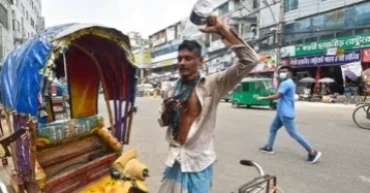
At least 15 people died from heatstroke in 14 days till Sunday (May 05, 2024).The Health Emergency Operation Center and Control Room (HEOC & CR) of Directorate General of Health Services (DGHS) confirmed the deaths.
The DGHS reported the fatalities from the information it received at its control room till Sunday.Besides, one person died and three people suffered injuries due to heatstroke across the country in the past 24 hours till Monday morning.
‘Very severe heat wave’ grips 7 districts, says BMDThe DGHS started recording heatstroke related deaths from April 22.A mild to very severe heat wave swept through the country for about a month staring from first week of April. Later the temperature started to fall across the country after rains in the first week of the current month.The heat wave also forced the government to shut the primary and secondary schools, colleges and madrashas till May 2.Strategies for Cooling Your Roof During Intense Summer Heat
2 years ago

Strategies for Cooling Your Roof During Intense Summer Heat
As summer temperatures soar, the heat can make indoor living conditions uncomfortable, particularly for those living on upper floors. The roof, directly exposed to the sun, plays a significant role in how heat affects the home. However, there are multiple strategies homeowners can implement to keep their roofs and homes cooler during intense heat waves.
Tips to Keep Your Roof Cool During the Scorching Heat of Summer
Selecting Appropriate Roofing Materials
Choosing the right roofing materials is crucial in climates that experience intense summer heat, like Bangladesh. Materials that reflect solar energy rather than absorb it, such as metal, tiles, or specially designed reflective shingles, can significantly reduce heat absorption. These materials help maintain lower roof temperatures, which translates into cooler indoor environments.
Utilizing Cool Roof Coatings
Cool roof coatings are designed to reflect more sunlight and absorb less heat than standard roof surfaces. Applying these coatings can lower roof surface temperature dramatically, reducing heat transferred into the home and prolonging the lifespan of the roofing materials. These reflective coatings are an effective solution for homeowners looking to retrofit existing roofs without complete replacement.
Read more: Tips to Keep Home Cool in Summer Without AC
Enhancing Insulation
Insulation plays a critical role in minimizing heat transfer from the roof to the home's interior. Effective attic or roof space insulation, using materials such as fiberglass, foam board, or cellulose, acts as a thermal barrier. This barrier helps stabilize indoor temperatures, making homes more comfortable during both day and night.
2 years ago

Navigating the Risks of Summer Heat: Essential Health Tips for Pregnant Women
Summer is a time of heat and outdoor activities, but for pregnant women, it also brings the challenge of coping with intense heat waves that can pose serious health risks. From dehydration to heatstroke, the heightened vulnerability of expectant mothers requires careful strategies to ensure their health and that of their developing babies. This comprehensive guide explores practical and effective measures to safeguard pregnant women during these critical months.
Understanding the Risks for Pregnant Women in Summer
Pregnancy demands a lot from the body, which is already managing increased blood volume and the energy requirements of carrying a baby. In the summer, these challenges are compounded by higher temperatures and humidity, which can lead to faster dehydration and overheating. This increased susceptibility makes it essential to adopt preventive measures against heat-related health issues.
Hydration: The First Line of Defense Against Heat
Water is a vital ally for pregnant women during hot weather. Staying well-hydrated is crucial, as dehydration can trigger complications such as overheating, urinary tract infections, and even preterm labor. At least 8-10 glasses of water daily are recommended. Using a reusable water bottle makes it easier to stay hydrated on the go.
Read more: How to Travel Safely During Heat Waves
Electrolyte Management
Alongside hydration, maintaining electrolyte balance is critical. Loss of electrolytes through sweating can be significant in summer. Electrolyte-rich drinks or adding a pinch of salt to water can help restore balance.
Natural sources such as coconut water are also beneficial. It is important to check with a healthcare provider before incorporating new items into the diet, particularly if there are underlying health conditions.
Choosing the Right Clothing
Appropriate attire can significantly influence body temperature. Pregnant women should opt for loose, lightweight, and breathable clothing. Fabrics like cotton and linen are ideal as they allow air circulation and help prevent overheating.
Read more: Summer Tips for School-going Children
Light colors are preferable because they reflect sunlight, whereas dark colors absorb it, increasing heat retention. Comfortable, well-fitting shoes are also essential to accommodate swelling in the feet, a common issue during pregnancy.
Sun Protection Strategies
Sun protection is vital for preventing skin damage and managing body temperature. A wide-brimmed hat, UV-protective sunglasses, and sunscreen with at least SPF 30 are key to guarding against the harmful effects of UV radiation.
Limiting Exposure to Extreme Heat
It is advisable for pregnant women to minimize their time spent outdoors during peak heat hours—typically between 10 am and 4 pm. Planning activities during cooler parts of the day, such as early morning or late evening, can reduce the risk of overheating. When outside, staying in shaded areas or using an umbrella can provide immediate relief from direct sunlight.
Read more: How to Protect Outdoor Workers from Heat Stroke
2 years ago

How to Travel Safely During Heat Waves
Summer vacation presents a wonderful opportunity to explore new destinations. However, during the warmer months, soaring temperatures necessitate careful planning to ensure health safety, especially as many people travel for work, medical treatment, or personal reasons. Here are some effective tips for traveling safely during summer heat waves.
Health Risks During Extreme Heat Waves
Heat waves bring a range of health risks, from mild heat cramps and exhaustion to severe, potentially life-threatening heatstroke. Prolonged exposure to high temperatures can lead to dehydration and heat exhaustion, particularly affecting vulnerable groups such as the elderly, children, pregnant women, and those with pre-existing medical conditions.
Recognizing the signs of heat-related illnesses is crucial. Symptoms may include headaches, dizziness, excessive sweating, weakness, nausea, and a rapid heartbeat. If you or someone you are traveling with experiences these symptoms, it's important to seek shade, rest, and rehydrate immediately. In severe cases, medical attention should be sought promptly.
Read more: Summer Tips for School-going Children
How to Stay Safe While Traveling During the Scorching Heat of Summer
Planning Ahead
Before embarking on your summer travels, careful planning is necessary. Check the weather forecast for your destination and schedule activities during the cooler parts of the day, typically early mornings and evenings. Be aware of any heat advisories or warnings and adjust your plans accordingly. Consider whether your accommodation has air conditioning, which can be crucial during heat waves.
Dress Appropriately
Opt for lightweight, loose-fitting clothing made from breathable fabrics like cotton or linen. Light colors, such as white or pastels, reflect sunlight and help keep you cool. Moisture-wicking garments can also reduce sweat and discomfort.
Read more: Summer Drinks: Refreshing Homemade Sherbets to Beat the Heat
Stay Hydrated
Water is vital in the heat. To combat dehydration, a common risk during hot weather, drink plenty of fluids. Carry a refillable water bottle and drink regularly, even if you don’t feel thirsty. Avoid sugary or caffeinated beverages, as they can lead to further dehydration.
2 years ago

Summer Tips for School-going Children
As the summer heatwave continues, the risk of heat exhaustion and dehydration becomes a concern. Like adults, children can suffer from severe heat-related illnesses. Therefore, parents and caregivers should be cautious, especially for school-going children who stay outside the home for hours. Here are some essential summer tips to ensure the well-being of school-going children during the hot months.
How to Keep School-going Children Healthy During Summer Heat Waves
Stay Hydrated
Ensuring children stay hydrated is crucial during a heatwave. Parents and caregivers should encourage children to drink plenty of fluids throughout the day, focusing on water as the primary source of hydration. It would be wise to avoid serving children sugary or caffeinated beverages that can contribute to dehydration.
While leaving for school, it is necessary to provide children water bottles and remind them to take regular sips, even if they are not feeling thirsty. Offer water-rich fruits and vegetables like watermelon, cucumber, and oranges as healthy snacks to help keep children hydrated.
Read more: How to Protect Outdoor Workers from Heat Stroke
Dress Appropriately
Lightweight, loose-fitting clothing of breathable fabrics like cotton or linen can help children stay cool. It is highly recommended to opt for light-coloured clothes that reflect sunlight rather than dark colours that absorb heat.
Furthermore, while staying outdoors children can wear wide-brimmed hats and sunglasses to protect their faces and eyes from the sun's harmful rays.
Seek Shade
Children might need to stay outdoors for diverse purposes, like waiting for a school bus. During such situations, children should be encouraged to seek shade or canopies to minimise direct exposure to the sun.
Read more: How to Protect Your Skin and Hair from Sun Damage
Apply Sunscreen Liberally
Sunscreen application is another crucial aspect of sun protection. Like adults, children can use broad-spectrum sunscreen with a high SPF (Sun Protection Factor) of at least 30. Before going to school or other places, kids need to apply sunscreens generously to their exposed skin, including the face, neck, arms, and legs. Nowadays many reputed brands produce child-friendly sunscreen products.
Sunscreen should be reapplied every two hours, or more frequently if children are swimming or sweating heavily. Parents and caregivers should teach children how to apply sunscreen properly and encourage them to build their sun protection routine.
Plan Outdoor Activities Wisely
While planning schedules for active outdoor games and sports during the warmer months, parents should pay attention to the matter that children stay safe from overheating or sunburn. However, when planning outdoor activities, it's essential to schedule them during the cooler parts of the day, such as early morning or late afternoon, to avoid the peak heat hours.
Read more: Summer Drinks: Refreshing Homemade Sherbets to Beat the Heat
Caregivers should guide children to play in shaded areas, such as parks with plenty of trees, or bring portable shade structures like pop-up tents or sun umbrellas to prevent sunburn and heat-related illnesses.
While playing, sweat should be wiped off immediately. Additionally, encouraging regular play breaks in shaded areas allows children to rest and hydrate. It is essential to prevent heat-related illnesses.
Stay Indoors During Peak Heat
During extreme heat, it is best to stay indoors in air-conditioned or well-ventilated spaces for children to avoid heat-related illnesses. It would be thoughtful for the parents and caregivers to plan indoor activities like board games, arts and crafts, or movie marathons to keep children entertained and safe from the heat.
Read more: Beat Dehydration with These Summer Vegetables
Educate About Heat-Related Illnesses
It is essential to teach children about the signs and symptoms of heat-related illnesses, such as heat exhaustion, heatstroke, dizziness, nausea, rapid heartbeat, etc.
Parents and caregivers should teach children to speak up if they are feeling unwell and remind them of the importance of seeking help from a trusted adult if they experience any symptoms of heat-related illness.
Use Cooling Strategies
Implementing cooling strategies like taking cool showers or baths, using fans or air conditioning, and applying cold compresses to the skin can help children beat the heat and stay comfortable indoors.
Read more: Heat Stroke Prevention: Best foods, drinks to avoid heat exhaustion
Parents and caregivers can freeze damp washcloths or water bottles and place them on pulse points like the wrists, neck, and temples to help lower the body temperature of the children. It can make their mind and body cool after returning home from school or outdoors during the heat waves.
Regular Baths
Bathing plays a vital role in maintaining cleanliness. It is important to avoid allowing children to drink or bathe in ice-cold water during hot weather. Instead, offer them water at room temperature or slightly cool.
When bathing, use water at a comfortable temperature, neither too hot nor too cold, to avoid shocking their system.
Read more: Heat Stroke: Symptoms, First Aid, and Prevention
Stay Connected
Staying connected with children, caregivers, and school staff during a heatwave is essential for assuring everyone's safety. Keep lines of communication open with children, caregivers, and school staff during summer.
Sharing information about heat safety tips and encouraging everyone to look out for each other helps create a supportive environment where everyone can stay cool, hydrated, and healthy during hot weather.
Thus, parents and caregivers can minimise the risk of heat-related illnesses in children at home, community space, school, playground, or other places.
Read more: Guidelines issued for primary schools reopening tomorrow amid heatwave
Bottom Lines
Implementing summer safety for school-going children during a heatwave is paramount to their well-being and health. Parents, caregivers, and school staff can help mitigate the risks associated with hot weather, by prioritising hydration, sun protection, appropriate clothing, and staying cool indoors during peak heat hours.
Educating children about heat-related illnesses and empowering them to recognise signs of distress is equally important. By working together and staying aware, the wellbeing and health safety of school children can be assured during the summer months.
Read more: Mist Fan Buyer Guide and Price Ranges in Bangladesh for 2024
2 years ago
Guidelines issued for primary schools reopening tomorrow amid heatwave
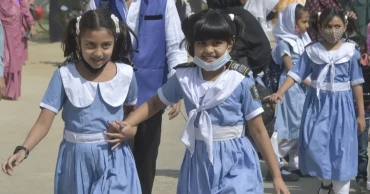
As the country grapples with an intense heatwave, the government has announced the reopening of primary school academic activities starting Sunday, April 28.
The Primary and Mass Education Ministry, through a notification signed by Senior Information Officer Mahbubur Rahman Tuhin, outlined the operational adjustments to accommodate the sweltering conditions.
School hours will be limited to the cooler morning hours, from 8:00 am to 11:30 am. For schools operating in two shifts, the first shift will run from 8:00 am to 9:30 am and the second from 9:45 am to 11:30 am.
Cuet students’ road safety movement postponed, to resume classes
Despite these changes, pre-primary level classes will remain closed until further notice, and daily school assemblies will be suspended to avoid prolonged exposure to the heat.
The decision follows a similar action taken for secondary level schools and colleges, which are set to reopen on the same day, April 28.
The resumption comes after an extended closure initially planned until April 27 due to the prolonged hot weather following the Eid holidays. Outdoor activities and those requiring sun exposure at these institutions will continue to be limited.
To make up for educational disruptions caused by the heatwave and other interruptions, classes will also be conducted on Saturdays until further notice, according to the ministry's notification.
Secondary schools, colleges to reopen April 28 amid heat wave
The Bangladesh Meteorological Department has forecasted that the current heatwave conditions, which recorded a high of 42.7 degrees Celsius in Chuadanga on Friday, may persist for another 72 hours starting Thursday morning. The government's proactive measures aim to balance educational needs with health and safety concerns during this challenging climate period.
2 years ago

Heatwave alert extended in Bangladesh for 72 hours
The Bangladesh Meteorological Department (BMD) has issued a warning that the ongoing heatwave is likely to persist for 72 hours starting Thursday (April 25, 2024) morning.
The BMD cites increased moisture incursion as a factor contributing to the sustained uncomfortable conditions.
Met office issues heat alert for another 72 hours
This announcement follows earlier alerts issued on April 19 and April 22, as the BMD continues to monitor and respond to the challenging weather patterns affecting the region.
25-year-old dies of heatstroke in Ctg
2 years ago