Smaller nations
Trump plans over 10% tariffs on smaller nations
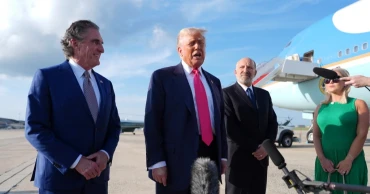
U.S. President Donald Trump on Tuesday said he intends to impose tariffs of over 10% on goods from smaller nations, including countries in Africa and the Caribbean.
“We’ll probably set one tariff for all of them,” Trump told reporters, adding that it could be “a little over 10% tariff” on imports from at least 100 countries.
Commerce Secretary Howard Lutnick clarified that the targeted nations would primarily be in Africa and the Caribbean — regions that conduct relatively modest trade with the United States. Lutnick noted that such tariffs would have limited impact on addressing the broader U.S. trade imbalances.
Earlier this month, Trump began issuing formal notifications to approximately two dozen countries and the European Union, outlining the tariff rates set to take effect on August 1. These rates align closely with the ones announced on April 2, which triggered market volatility and led Trump to offer a 90-day negotiation period that ended on July 9.
US manufacturing struggles persist despite subsidies and tariffs
In addition, the president said he would “probably” introduce tariffs on pharmaceutical drugs by the end of the month. He added that the administration plans to begin with a lower rate, giving companies a year to establish domestic manufacturing before imposing higher import taxes.
Trump indicated that computer chips would also be subjected to a similar phased tariff approach.
1 year ago

Smaller nations need to avoid partisan grouping in the Asia-Pacific: Webinar
The smaller nations like Bangladesh should avoid partisan and military engagements with the big powers in the region to uphold strategic autonomy, a webinar was told on Wednesday.
The smaller independent nations in the region such as Bangladesh need to avoid any kind of partisan and military entanglements to ensure strategic autonomy and avoid escalation into a second cold war, said President of Bangladesh Institute of Peace and Security Studies (BIPSS) Maj. Gen. (Retd) ANM Muniruzzaman.
He, however, said the nature of competition between the Quad and the Belt and Road Initiative (BRI) is currently more economical than militaristic.
Muniruzzaman said the strategic tension between the USA and China might have an adverse effect on the stability of the Asia-Pacific region.
5 years ago