For decades, people living along the Ganges-dependent regions of southwestern Bangladesh have watched rivers shrink, croplands struggle for water and salinity creep deeper into once-fertile areas.
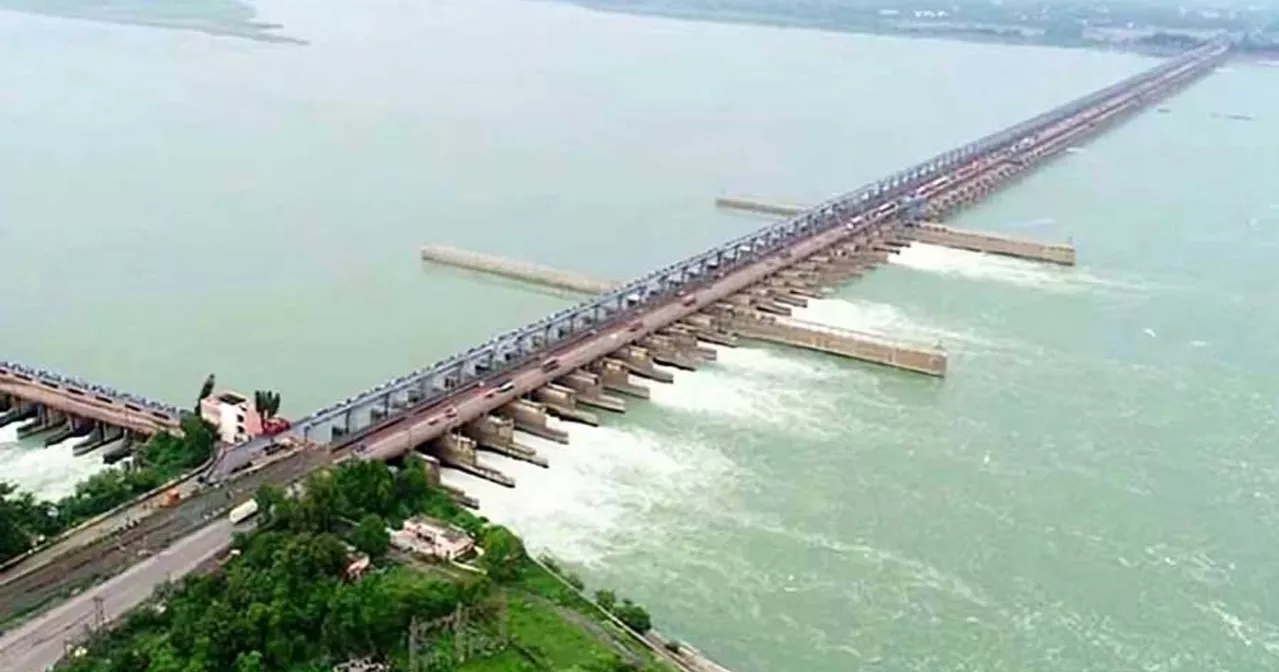
Now the ambitious Padma (Ganges) Barrage Project has rekindled hopes among residents, farmers and water managers who see it as a long-awaited solution to the region’s growing water crisis.
Approved by the Executive Committee of the National Economic Council (ECNEC), the Tk 33,474-crore project is expected to be implemented over the next seven years.
The mega infrastructure initiative aims to restore river flows, improve irrigation and revive ecosystems across nearly one-third of Bangladesh that have been affected by reduced Ganges water entering from upstream.
Yet while many welcome the project as a potential game changer, experts warn that large-scale river interventions can also produce unintended environmental consequences if not carefully planned and monitored.
Hope for water, agriculture and rivers
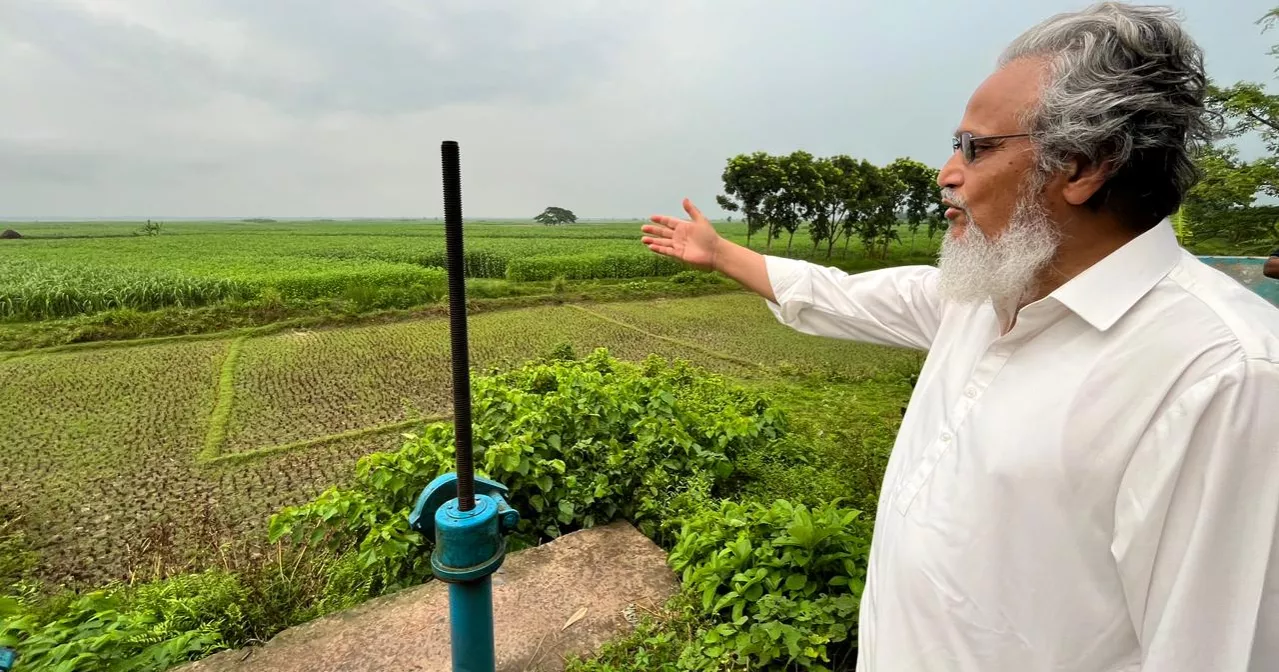
In Rajbari’s Pangsha upazila, where the barrage is proposed near Charjiguri village under Habashpur Union, local residents are already discussing its potential benefits.
Survey teams have installed markers near a sluice gate on the flood protection embankment, signalling the planned project site.
For many farmers, the promise of a dependable water supply is the project’s biggest attraction.
Ayub Kazi, a 50-year-old trader and landowner in the area, believes surface water from the river would be far more beneficial than relying on groundwater.
“River water produces better yields. The groundwater here contains iron and is not as good for cultivation,” he said.
He added that many diesel-powered irrigation pumps have become difficult to operate because of fuel shortages, making alternative water sources increasingly important.
Water engineers working in Rajbari and neighbouring Kushtia echoed similar optimism, saying the barrage could help address environmental degradation caused by declining river flows over the years.
A region under stress
Experts say the consequences of reduced freshwater flow extend far beyond agriculture.
Speaking during a recent visit by journalists to Ganges-dependent areas of Kushtia and Rajbari, retired chief engineer and former secretary Engineer Aktar Hossain described the situation as increasingly alarming.
He warned that parts of the Khulna region could become unsuitable for habitation by 2050 if salinity intrusion continues unchecked.
The visit, organised with the participation of the International Farakka Committee (IFC), highlighted a range of challenges facing the southwest, including declining agricultural productivity, deteriorating fisheries, reduced navigability of rivers and damage to vegetation and wildlife.
Aktar Hossain said freshwater shortages have already affected multiple sectors of the regional economy while also contributing to health problems among local communities.
Community organisations working in coastal areas have reported growing shortages of safe drinking water as tube wells increasingly produce saline water.
At a recent roundtable organised by ActionAid Bangladesh, participants described how many residents, particularly in coastal districts, are struggling to secure potable water.
The effects are also being felt in the Sundarbans, where environmentalists say rising salinity is threatening the world’s largest mangrove forest.