For the countless single women who move to Dhaka in pursuit of education or employment, the city's sprawling skyline offers not the promise of new beginnings, but a labyrinth of barriers.
Amid the cacophony of rickshaws and rising towers, a quieter struggle unfolds — one shaped by prejudice, substandard living conditions and a deeply entrenched societal discomfort with unmarried women living alone.
From Sublets to Scrutiny: A Difficult Start
Nabani, 28, arrived in Dhaka with aspirations fuelled by ambition. But her dreams were swiftly confronted by a sobering reality. “When I first arrived in Dhaka, I had no idea where I would stay. I wanted to rent a single room as a sublet, but no one agreed. They said they don’t rent to single women — only to married couples,” she recounted.
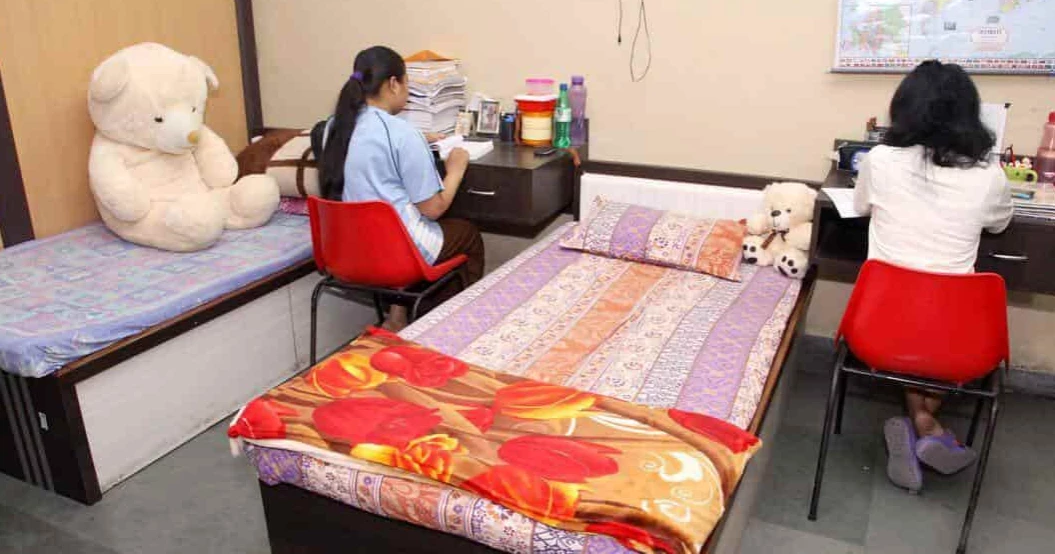
She went on to say, “Eventually, I had to settle in a cramped room with six other women, where 11 of us shared one bathroom.”
The adjustment, Nabani said, was harrowing — not only because of the physical discomfort, but also the emotional toll of navigating an alien environment governed by unspoken hierarchies and curfews.
“Sometimes, I’d be late for university just because I had to wait in line for the washroom or kitchen,” she added.
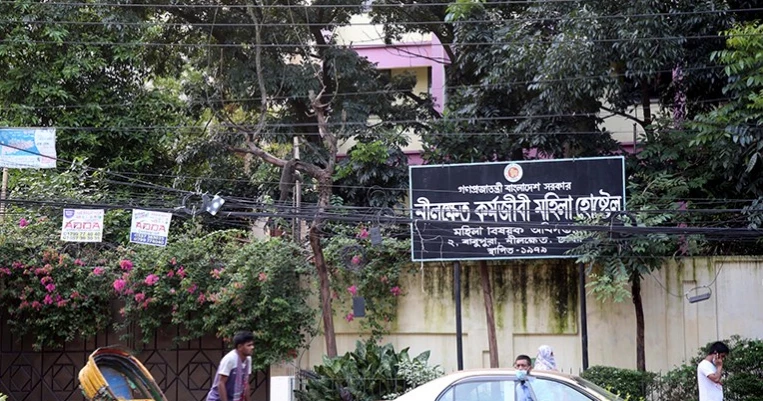
Later, Nabani moved into a women’s hostel. While marginally more welcoming, the hostel came with its own challenges: meagre food provisions, rigid routines, and a social order dominated by long-term residents. The psychological strain eventually deteriorated her health, compelling her mother to move to Dhaka. With help from an uncle, they rented a flat in Dhanmondi, a luxury not all women can afford.
Even after entering the workforce, she faced scepticism from landlords wary of renting to a single woman. She had to bring a guardian simply to convince them of her credibility.
Marriage as a Means of Escape
For some, like Mita, the pressure to secure accommodation proved decisive in altering life plans. “I had planned to start working before getting married. But because it was so difficult to rent as a single woman, we decided to marry sooner,” she said.
In her case, the institution of marriage served less as a milestone of personal choice and more as a key to unlock housing.
Education Under Siege
For students such as Nusrat Mim, Dhaka was meant to be a city of promise. Yet, the transition from a small town to the capital came at a steep cost. “I was a top student back home, but in Dhaka, I felt like I was falling behind,” Mita said.
“Some of my classmates looked down on students from outside Dhaka — criticising accents, dress, and background," she added.
Mim also highlighted the indignities of commuting. “In 2017–18, some buses refused to accept student fares. Dhaka-based students could protest loudly. We couldn’t,” Mita explained.
While the Safe Roads Movement ushered in some improvement, disparities persisted. Her academic performance suffered, and the disappointment of lower HSC results marred her university ambitions.
“Life in Dhaka is not easy for young newcomers, especially girls. The challenges are daily, constant, and hard," she said.
Hostels, Flat Shares and Rejection
Visits to hostels and shared flats in neighbourhoods such as Dhanmondi and Mouchak paint a bleak picture. Overcrowding, limited sanitation, and minimal privacy are common themes.
These conditions, endured by many young women, have become disturbingly normalised — the price paid for chasing dreams in the capital.
Landlords’ Lens
Peter Ahmed, a landlord based in Dhanmondi, offered a candid view. “Of course single women have the right to rent a flat. But we need proper verification and family contact for security. Many tenants don’t pay rent on time. With a single woman, especially if she’s unemployed, that becomes a concern.”
He noted that 35–40% of tenants often default on payments, a significant worry for landlords managing properties through bank loans.
“We raise rent by 500 to 1,000 taka annually. Others raise it by 3,000. There’s no official guidance from the city corporation,” Peter Ahmed added.
Women’s Affairs: Law Adviser seeks decency while sharing opinions, reactions