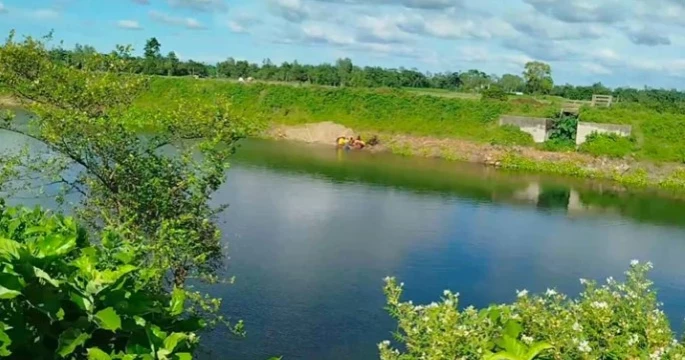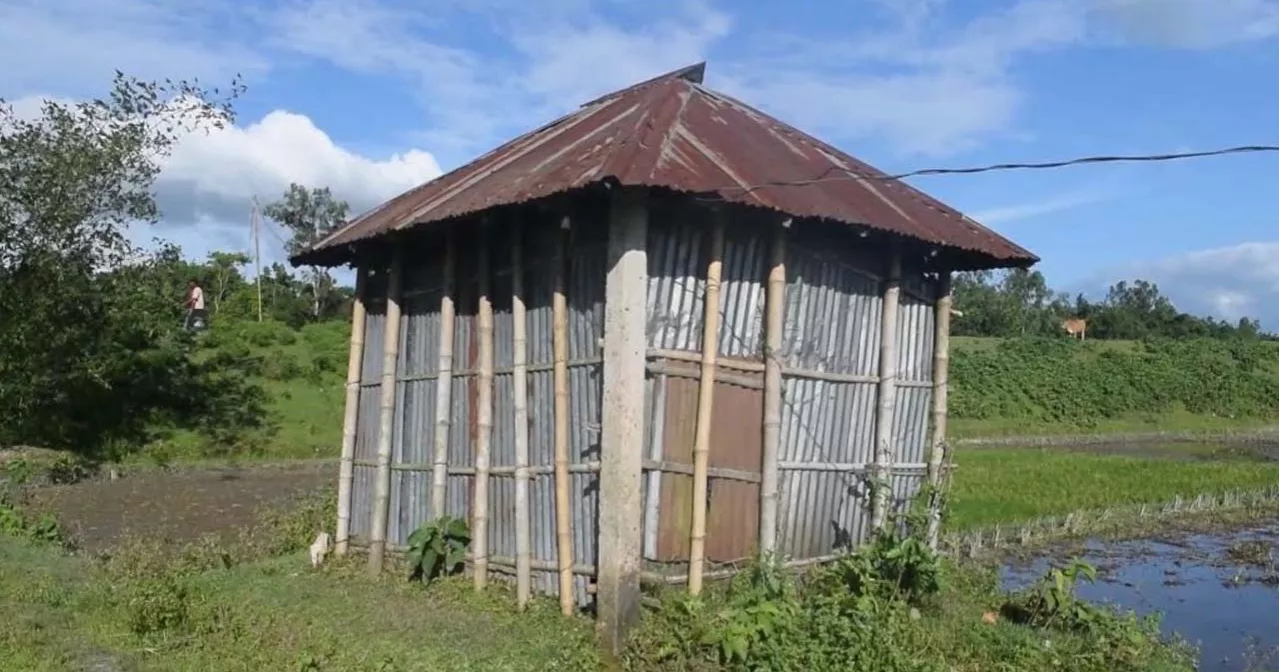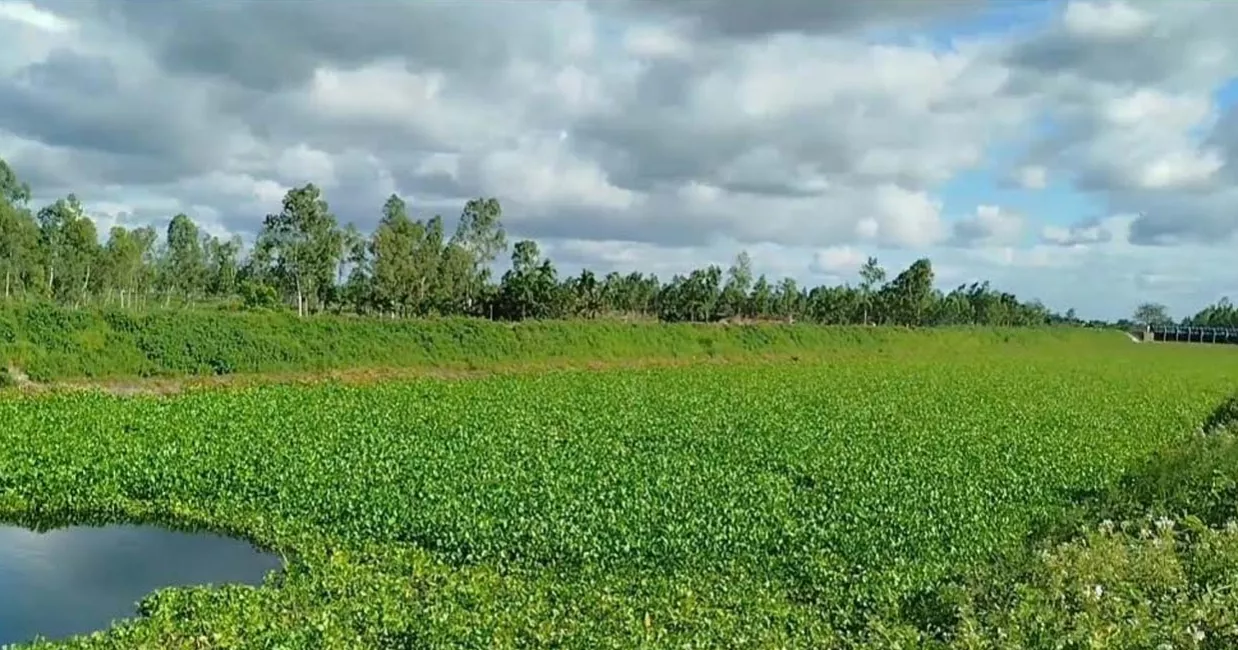
Thousands of farmers in northern Bangladesh are struggling to irrigate their fields despite water flowing through Teesta Irrigation Project canals, as many canals are silted up, water levels are too low or pressure is insufficient to reach farmland.
As a result, farmers are forced to rely on diesel-powered low-lift pumps, shallow tube wells and electricity-powered pumps, spending an additional Tk 5,000 to Tk 10,000 per bigha each season.
The project, which supports the cultivation of Boro rice, maize, wheat and vegetables across the region, has been providing irrigation water on a full-scale basis since 2000. But even after 26 years of operation, many farmers in areas covered by the project remain deprived of the expected benefits because water from the canals does not reach their fields.
The Bangladesh Water Development Board (BWDB) has yet to implement an effective solution to the long-standing problem, leaving farmers to bear the additional cost of irrigation, particularly in areas located along the canals and at the tail ends of the distribution network.