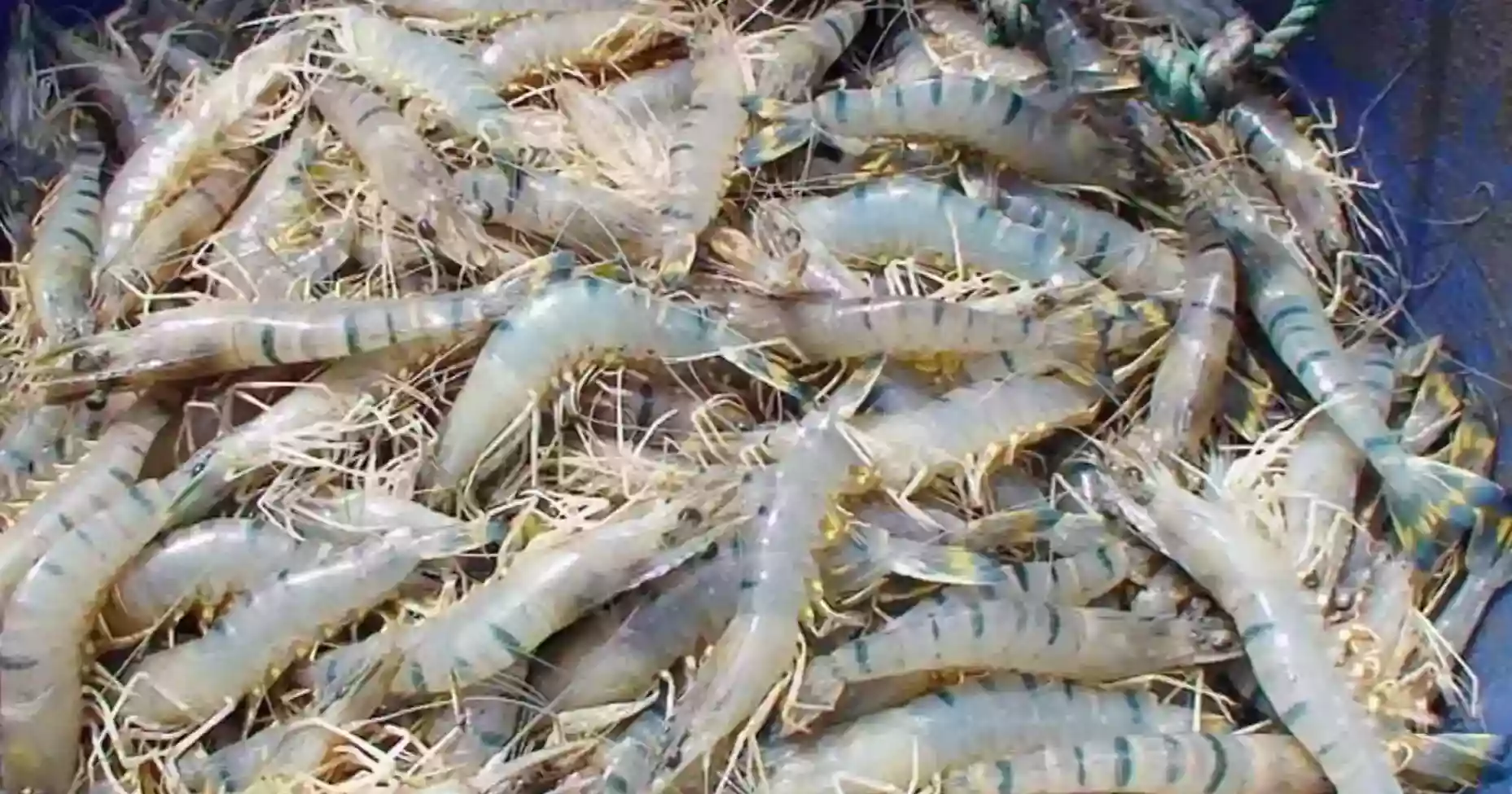
Bangladesh Bank has rolled out a Tk 2,000 crore special fund to revive the country’s struggling frozen fish export sector, but shrimp exporters and processors fear bureaucratic hurdles, high interest rates and restrictive conditions could make the initiative ineffective, as happened with previous rescue efforts.
Frozen shrimp exports, once a billion-dollar earner two decades ago, have collapsed to below $300 million annually, with more than half of factories registered under the Bangladesh Frozen Foods Exporters Association (BFFEA) shutting down in recent years amid power shortages and raw material crises.
Export Promotion Bureau data show shrimp exports exceeded $400 million in fiscal year 2022-23 before sliding below $250 million in FY24. Exports recovered slightly to around $300 million in FY25 but fell again to just over $285 million in FY26, the lowest export volume in four years at roughly 19,000 tonnes, down from more than 25,000 tonnes in FY23.
Bangladesh Bank's three-year fund, announced through a circular on August 30, targets entrepreneurs looking to start new frozen food processing ventures, revive shuttered factories, or expand struggling operations.
But BFFEA President Mohammad Shahjahan Chowdhury, also managing director of Riverain Fish & Food Processing Industries Ltd in Chattogram, said similar funds allocated in the past rarely reached genuine businesses.
"Getting loans under such funds from scheduled banks is quite difficult," he said, adding that non-genuine players often secure the 7 percent interest facility through various means, while actual fish exporters are left bearing interest burdens of 14-15 percent.
"Unless bureaucratic complexities are removed and real businessmen are brought under the facility, this kind of fund will not bring any benefit," Shahjahan said.
Exporters drew parallels with the $240 million Bangladesh-World Bank Sustainable Coastal and Marine Fisheries Project, which ran from 2018 to 2025 with a key objective of boosting shrimp production and exports.
While the World Bank's own assessment rated the project's outcome and performance as satisfactory, coastal shrimp farmers say the money brought little tangible change, pointing to the sharp fall in FY26 export volumes, which industry insiders put even lower, at around 17,000 tonnes – evidence that the funds were not properly utilised.
"Under this project, a few buildings came up, and a few shrimp blocks were built. Nothing more than that happened. Buildings and shrimp blocks alone will not increase production," Shahjahan said, speaking on behalf of Cox's Bazar frozen fish businesses.
Similar concerns of possible fund misuse now surround the new Bangladesh Bank facility, exporters said. The circular allows loans of up to Tk 30 crore over a maximum seven-year term for new frozen food processing factories, even as existing units continue to close for want of raw materials.
Bangladesh's shrimp yield stands at just around 400 kg per hectare, compared to 5,000-6,000 kg per hectare in India, Vietnam and Thailand, industry figures show. Businesses argued that rescuing factories on the verge of closure should take priority over funding new ones.
BFFEA Senior Vice President Tariqul Islam Zaheer, managing director of Achia Sea Foods Limited in Khulna, warned that offering Tk 30 crore loans for new factories could invite embezzlement attempts.
"If Tk 30 crore loans are given for setting up new factories, many will misappropriate the funds or attempt such malpractice under the pretext of factory establishment. The focus here should be on ensuring running factories stay operational and on reopening those that have shut down," he said.
Zaheer also linked the sector's struggles to Bangladesh's continued reliance on traditional shrimp farming, saying the country's inability to export Vannamei shrimp is undercutting profitability.
"European buyers are purchasing Vannamei shrimp from India and Vietnam and want to pay us the same price for our traditionally farmed shrimp. Selling shrimp at $5 per kg, there is no way to turn a profit through the traditional method," he said.
A key condition attached to the new fund requires beneficiaries to source at least 15 percent of their total electricity from solar power within two years, failing which they will be barred from this and any future central bank funds of this kind.
The circular offers an additional loan of up to Tk 5 crore for those willing to install solar infrastructure, but many urban-based factory owners say they simply lack the space for solar panels and cannot afford to relocate or set up separate facilities.
Shrimp businesses are urging authorities to go beyond merely announcing funds, calling for proper utilisation of the money, ensuring scheduled banks lend to genuine entrepreneurs, and using the facility to restructure the entire shrimp sector.
Otherwise, they warned, the fund risks following the same fate as previous financing schemes and projects that failed to meaningfully revive the frozen fish industry.